

Every year on March 14, Albania celebrates one of its most joyful and culturally significant holidays — Dita e Verës, translated as “The Day of Summer.”
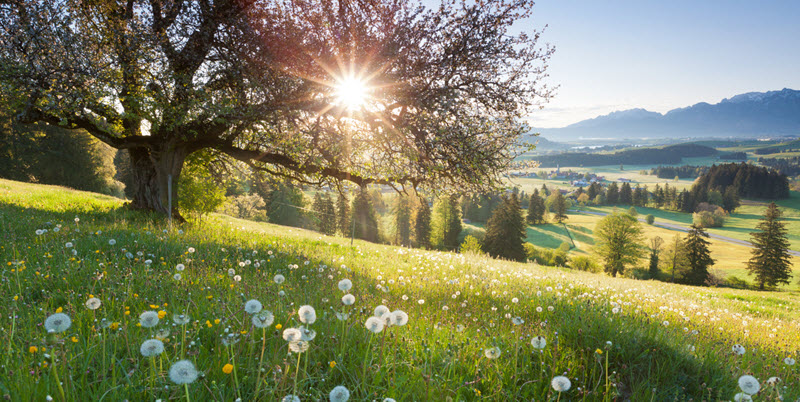
Despite the name, the holiday does not actually mark the beginning of the astronomical summer. Instead, it symbolizes the end of winter and the arrival of spring, a moment when nature awakens and warmer days begin to return.
For Albanians, Dita e Verës is more than just a seasonal celebration. It is a centuries-old tradition rooted in ancient Illyrian culture, filled with symbolic rituals, traditional sweets, colorful bracelets, and lively street festivities.
Today, the holiday is celebrated across the entire country, but the city of Elbasan remains the heart of the celebration, attracting thousands of visitors every year.
The Ancient Origins of Dita e Verës
Dita e Verës is considered one of the oldest traditional celebrations in Albania, with origins dating back to pagan Illyrian times, long before the arrival of major religions in the region.
Ancient communities celebrated this day as a festival of nature and renewal. It marked the moment when the cold season ended and the earth began to bloom again.
For early Albanians, the changing of seasons was deeply connected to agriculture and survival. Spring represented:
- The return of life and greenery
- The start of agricultural activity
- Hope for prosperity and abundance
According to historical interpretations, the celebration was connected to nature deities and the sun, honoring the forces that brought warmth, fertility, and growth.
Over centuries, Albania experienced many cultural and religious transformations, but the celebration of Dita e Verës survived and remained a symbol of Albanian identity and heritage.
Elbasan: The Capital of Dita e Verës
Although Dita e Verës is celebrated throughout Albania, the city of Elbasan is widely recognized as the traditional center of the festival.
In Elbasan, preparations begin days before March 14. The streets fill with vendors selling traditional sweets, musicians performing live music, and families preparing for the festivities.
On the day itself, the city transforms into a vibrant celebration. Visitors can experience:
- Street concerts and cultural performances
- Traditional dances and music
- Local food stands and markets
- Family gatherings and outdoor picnics
Because of its deep historical connection to the holiday, Elbasan attracts visitors from all over Albania and increasingly from international travelers who want to experience an authentic Albanian tradition.
For travelers exploring Albania in March, attending Dita e Verës in Elbasan is one of the most unique cultural experiences in the country.
The Verore Bracelet: A Symbol of Spring
One of the most recognizable traditions associated with Dita e Verës is the “verore” bracelet.
The bracelet is made from red and white threads twisted together and is traditionally worn starting on March 1st until the day of the festival on March 14th.
The colors carry symbolic meanings:
- Red represents life, energy, and protection from illness
- White represents purity, health, and renewal
According to folklore, wearing the bracelet protects the person from the last cold days of winter.
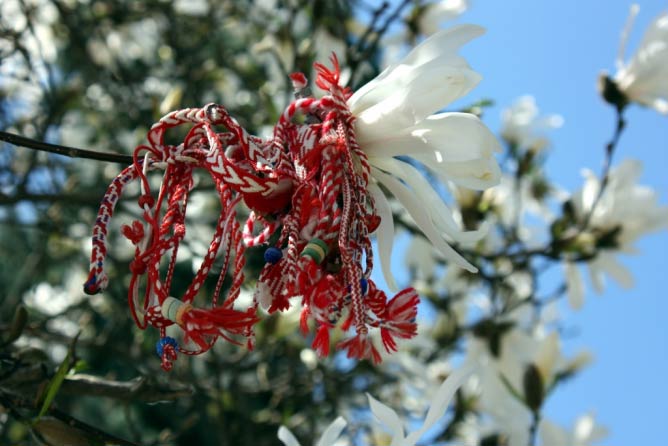
Once the festival arrives, people usually remove the bracelet and tie it to a tree branch. It is believed that birds will take the threads to build their nests, symbolizing the connection between humans and nature.
Children especially love this tradition, and it has become one of the most charming aspects of the celebration.
Ballokume: The Sweet Taste of Dita e Verës
No Dita e Verës celebration is complete without ballokume, the traditional dessert that originates from Elbasan.
Ballokume are soft, golden cookies made from a simple yet rich combination of ingredients:
- Corn flour
- Butter
- Sugar
- Eggs
Despite the simplicity of the ingredients, preparing ballokume correctly requires skill and experience. Traditionally, the cookies were prepared by women in the household using large copper bowls and wooden spoons.

The recipe has been passed down through generations, making ballokume not only a delicious treat but also an important cultural symbol.
In the days leading up to March 14, bakeries and markets across Albania prepare thousands of ballokume, and the sweet aroma fills the streets of Elbasan.
For visitors, tasting ballokume is one of the essential culinary experiences of the festival.
How Dita e Verës Is Celebrated Across Albania
Although Elbasan remains the traditional center of the celebration, Dita e Verës has become a nationwide holiday in Albania.
Cities such as Tirana, Shkodra, Berat, Korça, and Durres organize their own celebrations with concerts, fairs, and cultural events.
Typical ways Albanians celebrate include:
Family Gatherings
Families often spend the day together outdoors, enjoying the warmer weather and preparing traditional food.
Outdoor Activities
People go for walks, picnics, or excursions in nature to celebrate the arrival of spring.
Festivals and Concerts
Many cities organize large public celebrations with music, performances, and cultural shows.
Traditional Foods
Besides ballokume, families often prepare seasonal dishes and sweets that mark the transition from winter to spring.
The overall atmosphere is joyful, relaxed, and full of optimism — reflecting the spirit of the season.
Why Travelers Should Experience Dita e Verës
For travelers visiting Albania, Dita e Verës offers a unique opportunity to experience authentic Albanian culture.
Unlike many modern festivals, this celebration is deeply rooted in tradition and local customs. It reflects the connection Albanians have with nature, community, and seasonal cycles.
Experiencing Dita e Verës allows visitors to:
- Discover one of the oldest traditions in the Balkans
- Taste authentic Albanian sweets and food
- Experience local music, dancing, and festivals
- See Albanian cities come alive with color and celebration
Travelers exploring Albania in early spring will find the country especially vibrant during this time.
A Celebration That Connects Past and Present
Dita e Verës is more than a festival — it is a living tradition that connects Albania’s ancient past with its modern identity.
Through centuries of change, the celebration has remained a symbol of hope, renewal, and joy. It reminds people that no matter how long winter may seem, spring always arrives again.
For Albanians, March 14 is a day filled with warmth, tradition, and community spirit. And for visitors, it offers a beautiful glimpse into the heart of Albanian culture.