

For many travellers, the Albanian Riviera means beaches. Dhërmi, Jale, Himarë, Borsh and the bays scattered between them usually dominate the itinerary. It makes sense. The Ionian coastline is the reason many people travel to southern Albania in the first place.
But drive ten or fifteen minutes uphill from the coast and the Riviera starts to look completely different.
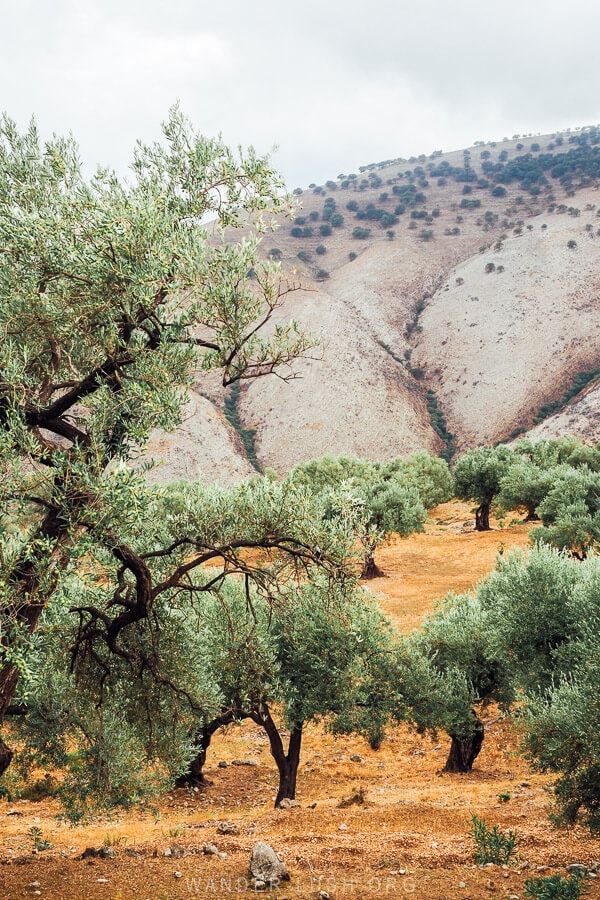
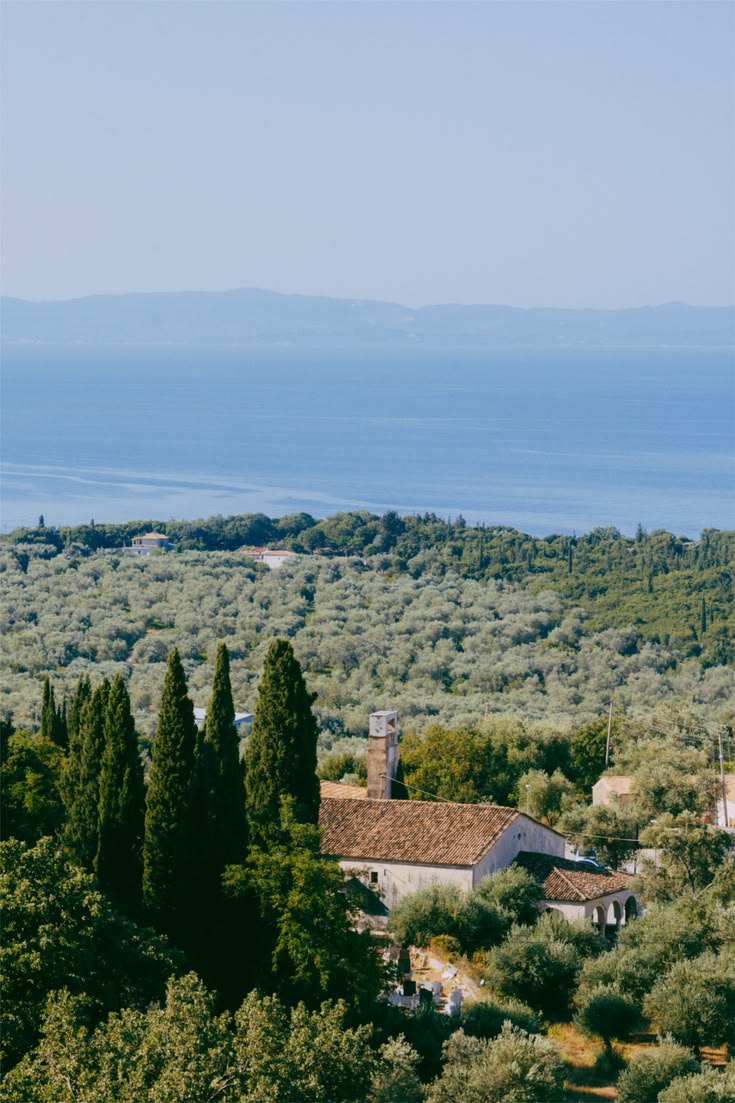
Stone houses replace beach bars. Narrow lanes climb between old walls. Church bells, olive groves and mountain ridges become part of the landscape. In some villages, you can look down at crowded beaches from a square where almost nobody is walking.
These are the villages above the Albanian Riviera, settlements that existed long before coastal tourism transformed the region.
Some are partially abandoned. Others remain active communities. A few are slowly attracting restaurants, guesthouses and visitors again. Calling them “forgotten” does not mean nobody lives there. They are forgotten mainly by the average Riviera itinerary, which often follows the SH8 coastal road without exploring what lies above it.
Albania’s National Tourism Agency itself highlights villages such as Dhërmi, Vuno, Himarë and Qeparo as important parts of the Riviera’s cultural identity, not simply as gateways to beaches.
If you have a car and an extra day or two, these are some of the places worth turning uphill for.
Why Were So Many Riviera Villages Built Above the Sea?
One thing becomes obvious when you travel along this part of Albania: many of the historic settlements are not actually beside the beach.
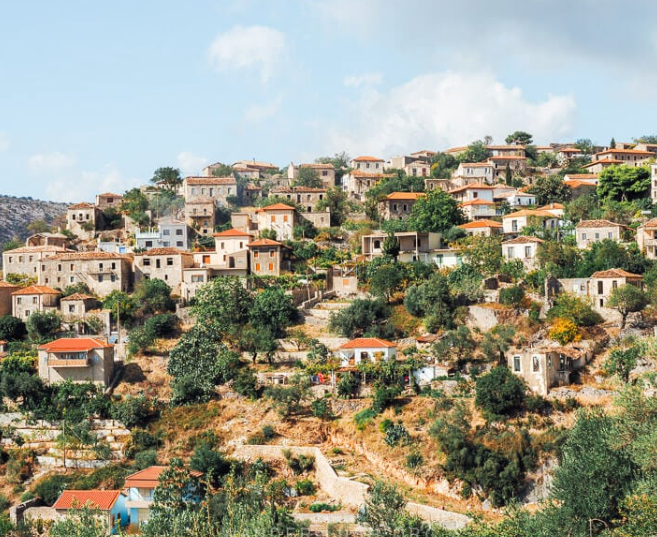
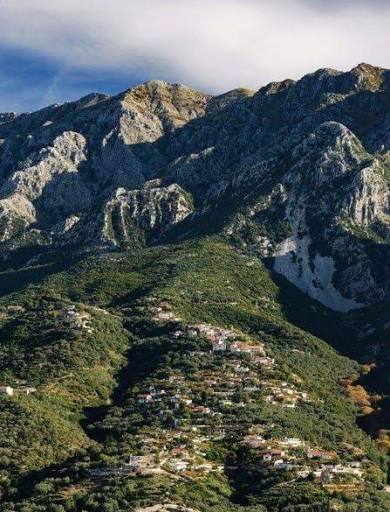
They are several hundred metres above it. That was no accident. For centuries, living directly on an exposed coastline was not always desirable. Communities developed higher up the slopes, where settlements were easier to defend and where families could build around agricultural land, water sources, churches and traditional routes between villages.
The result is the unusual geography travellers see today. Modern accommodation, restaurants and beach businesses have expanded closer to the water, while many of the older neighbourhoods remain uphill.
Dhërmi is one clear example. Its historic village sits on the mountain slope above the sea, with traditional stone architecture and old churches, while the beach area below has developed into one of Albania’s best-known summer destinations.
Qeparo shows the contrast even more clearly. There is effectively a lower coastal settlement and an older village high above it. And that is where this journey should begin.
1. Upper Qeparo: The Village Above the Village
If you only visit Qeparo Beach, you have seen half of Qeparo.
Upper Qeparo, often called Old Qeparo, sits high on the hillside above the newer coastal settlement. A steep road climbs away from the sea until the hotels and beachfront restaurants disappear below you.
At the top, the atmosphere changes completely.
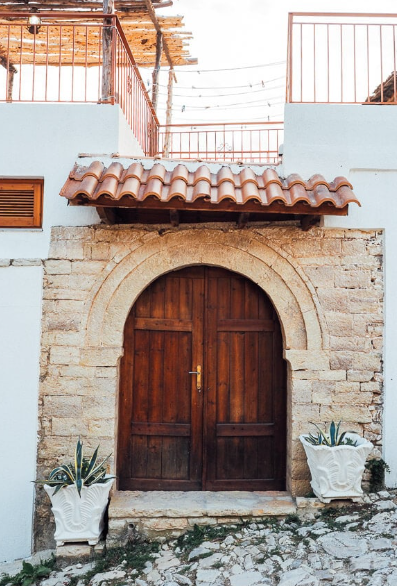
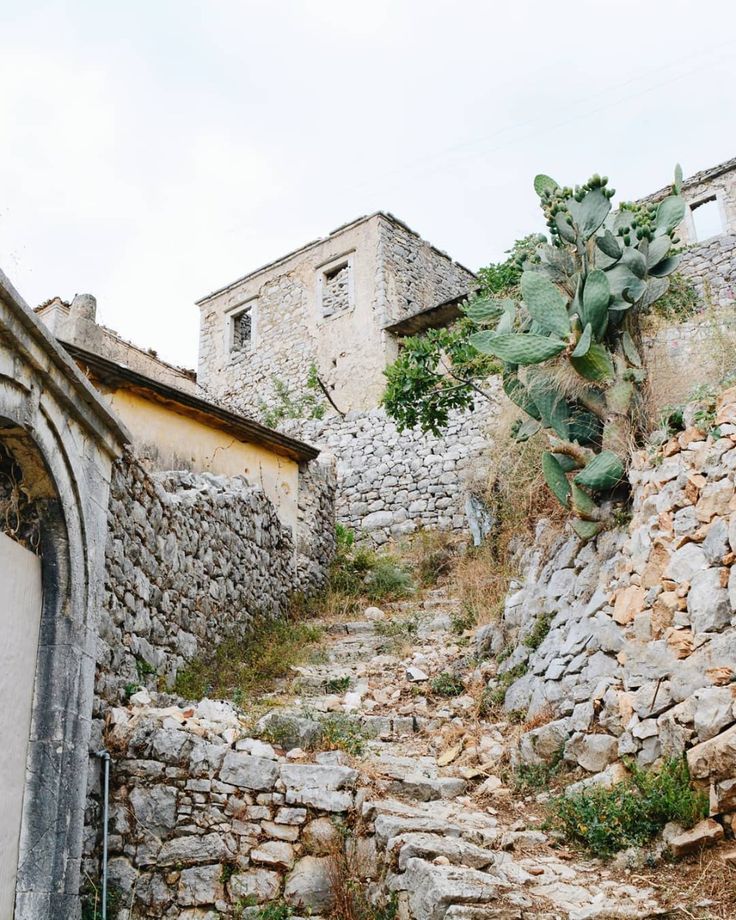
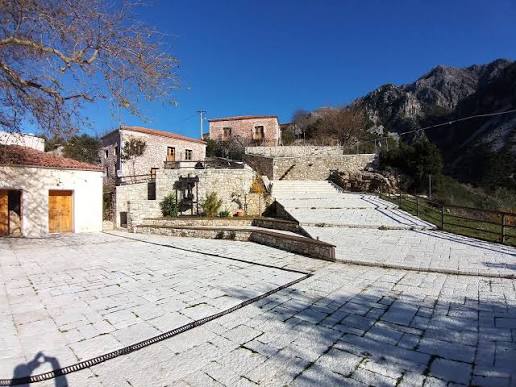
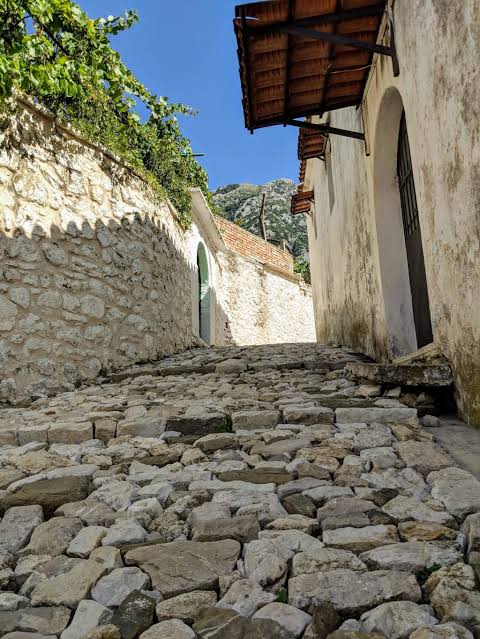
The old settlement consists of stone houses, narrow lanes, archways and buildings in different states of preservation. Some have been restored. Others have empty windows, collapsed roofs or plants growing through old walls.
Official tourism information describes Old Qeparo as a traditional stone village reached by climbing inland from the coast, particularly valued for its historic architecture and views.
It is one of the best places on the Riviera for simply walking without a plan.
Follow the alleys. Look through openings between the houses. Find a terrace facing the sea.
From this height, the coastline around Qeparo and Borsh feels much larger than it does from the beach.
Upper Qeparo also demonstrates one of the challenges facing many historic villages in southern Albania. As populations moved towards towns, cities, other countries and newer houses closer to the coast, older family homes were sometimes left behind.
The result today is not a perfectly restored heritage attraction. It is something more complicated and, arguably, more interesting.
Don't rush the visit
Allow at least an hour for walking around. Comfortable shoes are more useful than beach sandals because the lanes can be steep and uneven.
If you are driving the Riviera between Himarë and Borsh, Upper Qeparo is an easy detour and pairs particularly well with Porto Palermo, which lies nearby on the coast.
2. Vuno: The Village Everyone Drives Through
Thousands of visitors pass Vuno on their way between Dhërmi and Himarë.
Far fewer stop. That is a mistake.
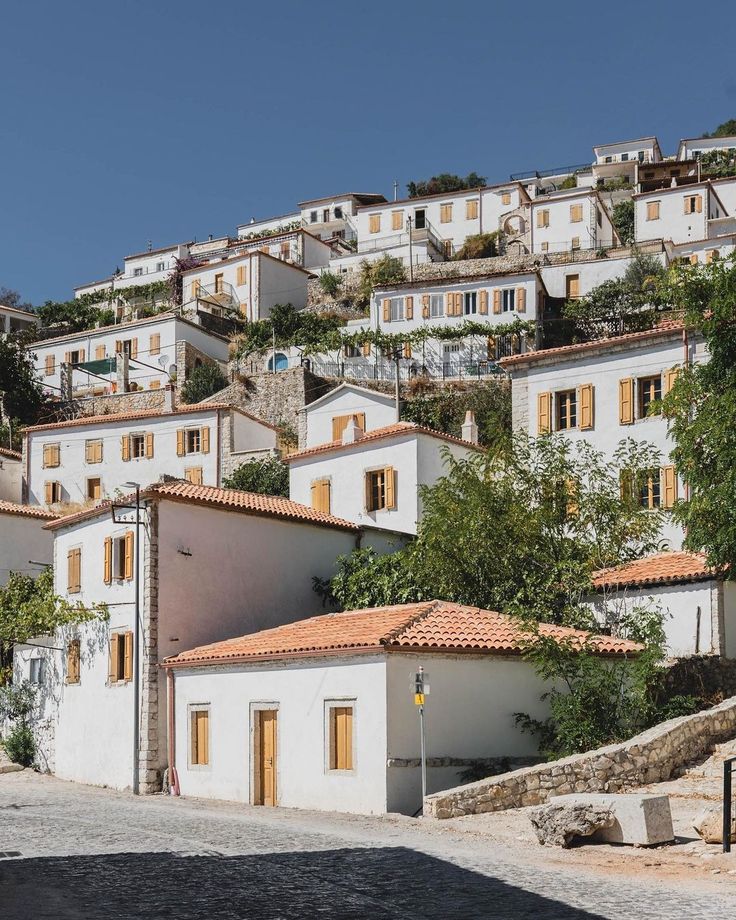
Vuno is built directly into the steep mountainside, with rows of traditional houses rising above and below the coastal road. Once you leave the main route and begin walking through the village, you find stone lanes, old churches, terraces and views across the Ionian.
The National Tourism Agency describes Vuno as an old coastal settlement known for stone houses, narrow alleys, historic churches and its position between Dhërmi and Himarë.
It also occupies an excellent location for travellers who want to combine village life with hiking. Official Riviera hiking routes connect Vuno with both Gjipe and Jale, meaning the village can become the starting point for a much more interesting day than simply driving from beach to beach.
Even if you are not hiking, park and walk. Vuno makes more sense on foot than through a car window.
Look at the houses rather than simply the sea. Notice how tightly the settlement is built into the slope and how the lanes adapt to the terrain.
You begin to understand that these were working communities long before the Riviera became a summer destination.
3. Old Himara: Above the Town Everyone Knows
Modern Himarë is one of the Riviera’s most popular bases.
Its promenade has restaurants and cafés, several beaches are within easy reach, and travellers frequently use the town as a base for exploring southern Albania.
But above modern Himarë is another settlement entirely.
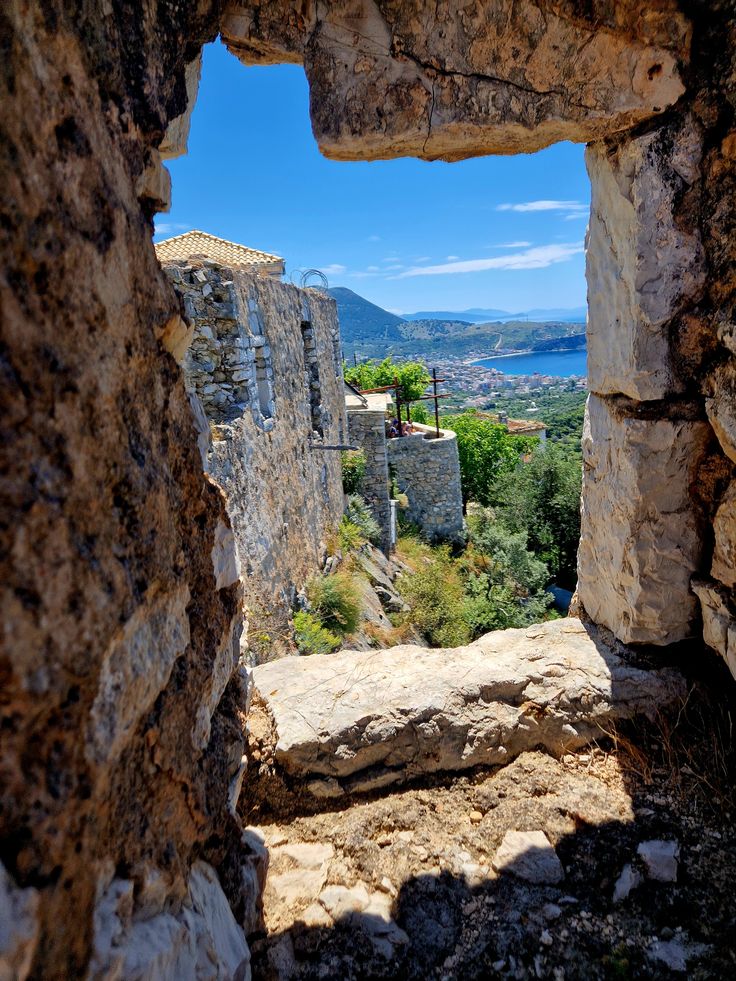
Old Himara, centred around Himara Castle, occupies a hill overlooking the coast.
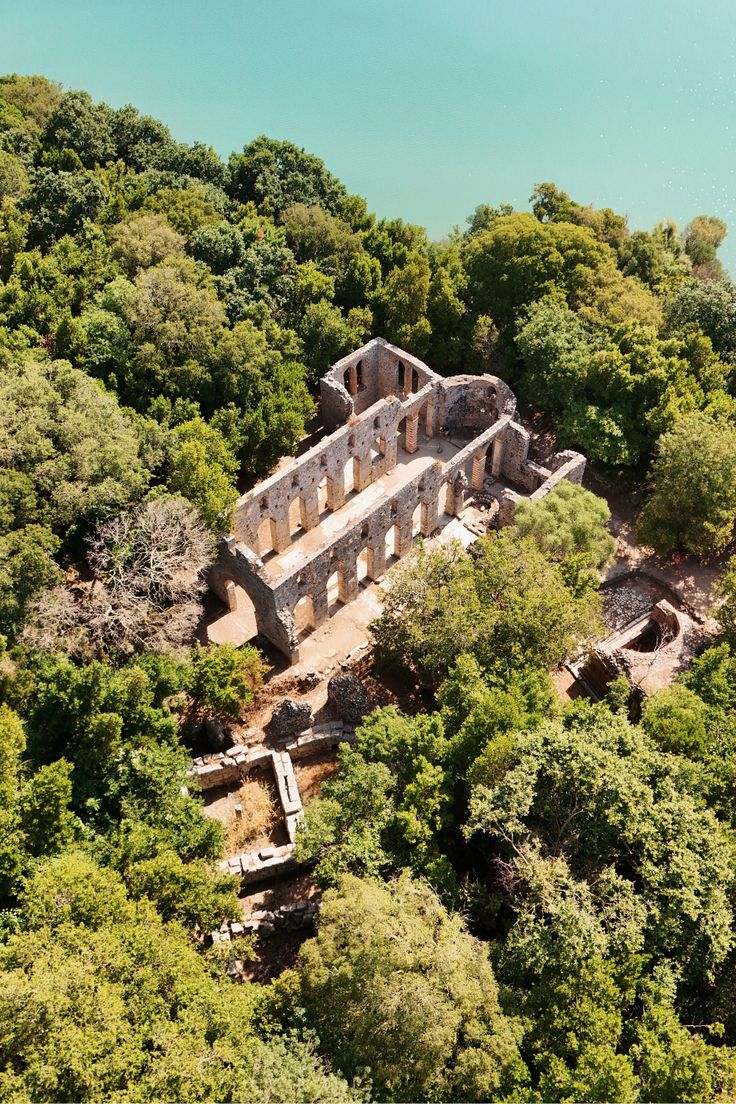
The fortified settlement has roots stretching back through several historical periods. Albania’s tourism authority notes that the castle complex developed from the Illyrian period through Roman, Byzantine and Ottoman phases. Old walls, churches, dwellings and cobbled passages remain, and parts of the settlement are still inhabited today.
That last detail is important.
Old Himara is not simply an archaeological site.
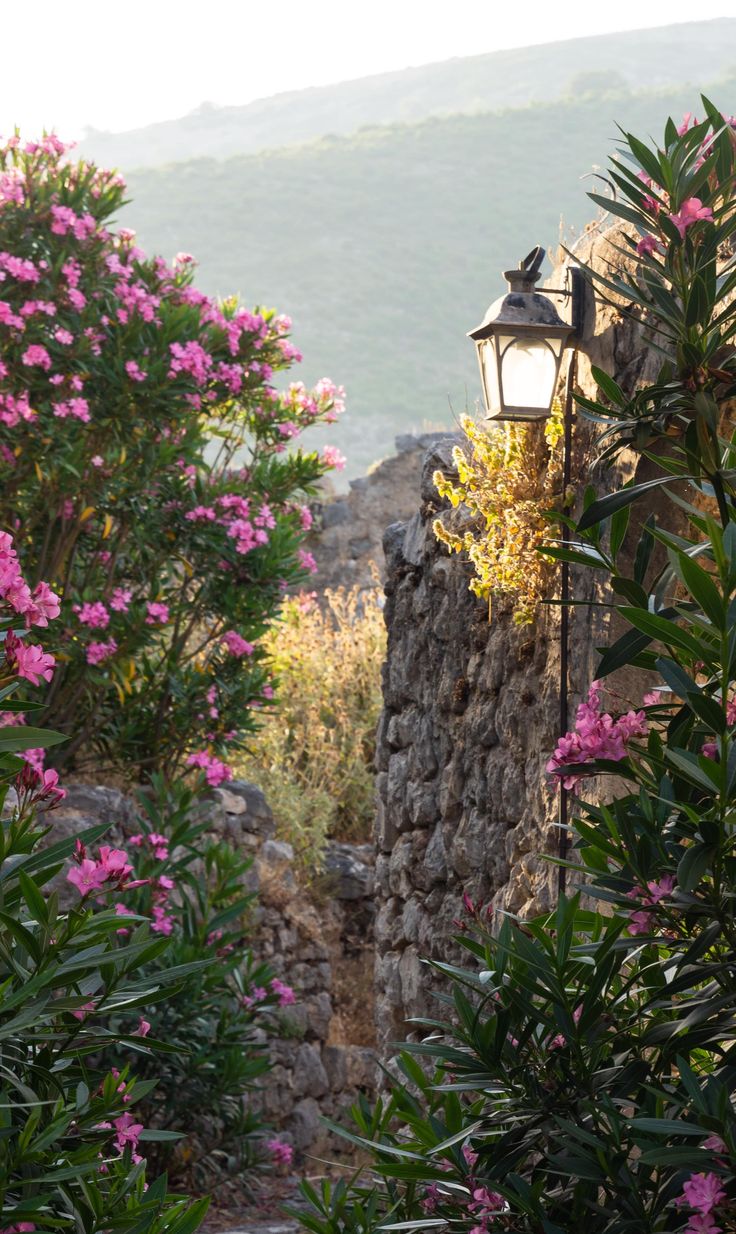
You can be walking beside ancient walls and then pass someone’s garden, a house or a small café. It sits somewhere between historic monument and living village.
The views alone justify the drive uphill.
From the castle area, the blue Ionian stretches beneath you, with modern Himarë appearing surprisingly small below.
Visit in the late afternoon if you can. The heat is easier to manage and the light over the coast is particularly good.
4. Pilur: The Riviera Without the Beach
Continue further into the hills and you reach a village where the coast feels even further away.
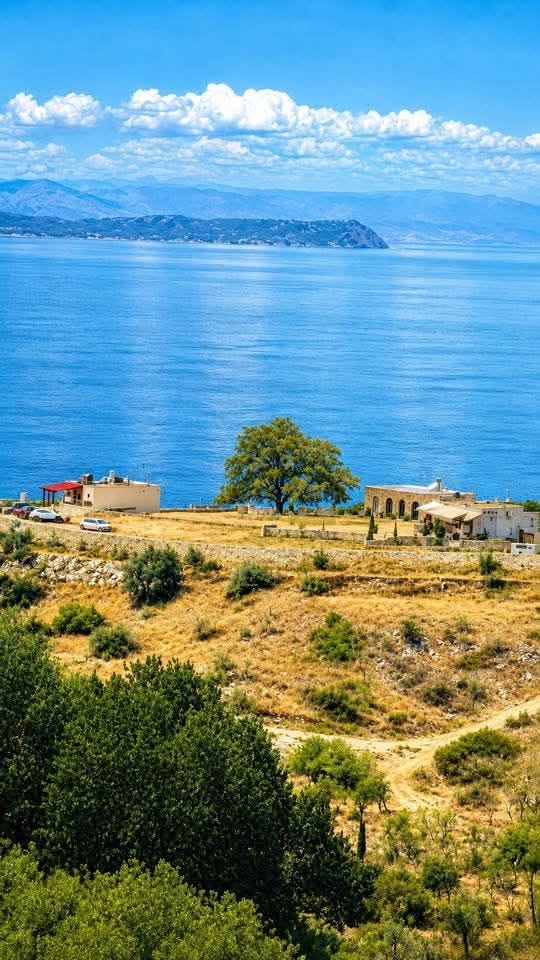
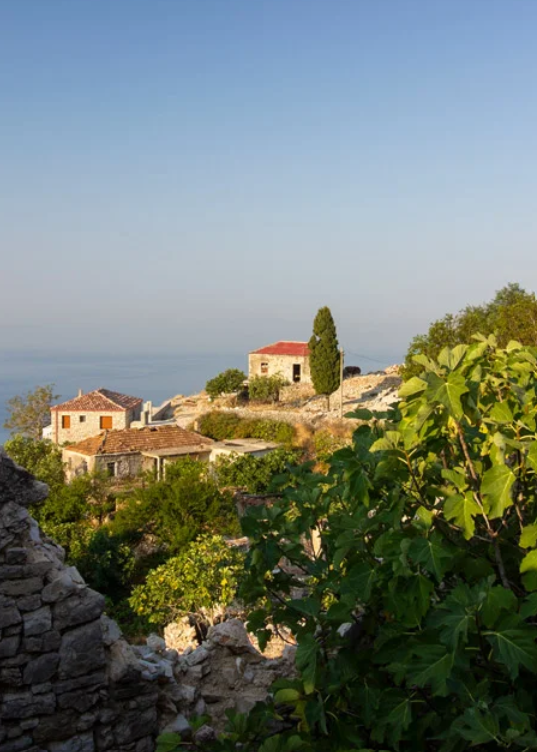
Pilur sits on a mountain ridge above Himarë.
There is no famous beach carrying its name and no strip of summer hotels. What makes Pilur interesting is its relationship with the cultural traditions of southern Albania.
The village is particularly associated with Albanian polyphonic singing, and official tourism information identifies it as one of the important centres of the Lab tradition of polyphony.
Pilur also offers wide views over both mountain and sea landscapes.
This is a good place to understand that the Albanian Riviera is not purely coastal.
The mountains behind the beaches have their own villages, food traditions, music and identity. Historically, the relationship between these communities and the coast helped shape the region visitors experience today.
There is also an official hiking connection between Old Himara and Pilur, with another route continuing towards Kudhës.
For travellers interested in hiking, village-to-village routes like these provide a completely different Riviera experience.
5. Kudhës: A Detour Few Travellers Make
Kudhës is unlikely to appear near the top of someone’s first Albania itinerary.
That is precisely why it belongs in this article.
It sits inland from the coast between the wider Himarë and Qeparo area and forms part of the traditional network of mountain settlements above the Riviera.
Official hiking maps connect Pilur to Kudhës, then continue from Kudhës towards Old Qeparo and Borsh.
Unlike Dhërmi or Qeparo, Kudhës has not developed a major international tourism profile.
There is no single attraction you need to photograph before leaving.
Instead, the value of stopping here is seeing another side of southern Albania: agricultural land, stone buildings, mountains and everyday village life away from the busiest coastal corridor.
Travellers sometimes search for “hidden gems” expecting every one of them to contain a spectacular monument or secret beach.
Kudhës is a reminder that sometimes the destination is simply the place itself.
The Best Way to Explore the Villages
A car is easily the most practical option.
Public transport can get you between major Riviera towns, but exploring small mountain settlements becomes much more difficult when you depend on fixed routes and schedules.
If you are planning a road trip, you could combine several villages in one day:
Dhërmi → Vuno → Old Himara → Pilur → Upper Qeparo
Do not try to rush through all of them simply to add names to a checklist. Two or three villages with time to walk around will usually be more enjoyable.
If you need a car for your Albania trip, you can also compare rental options with Albaways, one of our partners, before heading south.
Be aware that mountain roads can be narrow, steep and slower than the distances on a map suggest. Drive patiently and avoid assuming that every small road will accommodate two cars comfortably.
Beaches Are Only Half of the Albanian Riviera
There is nothing wrong with coming to southern Albania for the sea.
The beaches are excellent.
But if your entire trip consists of driving from one beach to another, you miss much of what made the region what it is.
The Albanian Riviera villages tell a different story.
Upper Qeparo shows what happens when an old settlement and a new coastal town develop separately. Vuno reveals traditional architecture along a route most travellers simply drive through. Old Himara combines ancient fortifications with homes that are still inhabited. Pilur introduces visitors to the musical traditions of the mountains. Kudhës offers something increasingly difficult to find on a popular coastline: an ordinary village largely outside the tourism spotlight.
None requires a full day.
Sometimes all it takes is turning off the coastal road and driving uphill.
The beach will still be there when you come back down.