

Say “hiking in Europe” to most people and you’ll get one of three answers: the Dolomites, the Alps around Chamonix, or the Pyrenees. All three deserve their reputation. All three are also now busy enough in peak season that you’re queuing for photos at the same viewpoints as everyone else who read the same three names.
The regions below belong in that same conversation, dramatic peaks, real trail networks, multi-day routes that reward the effort, without the crowd that comes with international name recognition. Ten regions, one flagship trail among them that most hikers outside the Balkans still haven’t heard of.
The quick-reference table
Region | Country | Best for | Best season |
The Accursed Mountains (Theth-Valbona) | Albania | A flagship one-day pass hike | June to September |
The Julian Alps | Slovenia | Alpine scenery without Alps prices | June to September |
Picos de Europa | Spain | Dramatic limestone peaks, few crowds | May, June, September |
The Tatra Mountains | Poland and Slovakia | High-altitude ridge walking | June to September |
Durmitor National Park | Montenegro | Glacial lakes and Europe’s deepest canyon | June to September |
Zagori and the Vikos Gorge | Greece | Stone villages and a record-holding gorge | May, June, September |
Retezat National Park | Romania | Genuine wilderness, wolves and bears | July, August |
Rila and Pirin Mountains | Bulgaria | Budget alpine lakes and granite peaks | June to September |
The Kaçkar Mountains | Turkey | Black Sea alpine scenery, almost unknown abroad | July, August |
Corsica’s interior (GR20 country) | France | Serious multi-day trekking | June, September |
The 10 regions
1. The Accursed Mountains, Theth-Valbona, Albania
The Valbona-to-Theth pass is the single best answer to “which underrated European hike should I actually do.” It runs roughly 17.6 kilometres trailhead to trailhead, climbing through beech forest to Qafa e Valbonës, the pass itself, at around 1,800 metres, before dropping into the village of Theth on the far side. Most hikers finish in 7 to 8 hours. Behind it all sits Maja Jezercë, the range’s highest peak at 2,694 metres, a proper multi-day objective for anyone who wants to go further than the standard crossing. The trail is part of the wider Peaks of the Balkans route linking Albania, Kosovo and Montenegro, and it operates reliably from June through September, with snow closing the pass outside that window.
- Difficulty and length: moderate, 17.6km, one long day, doable by a reasonably fit hiker without technical gear
- Best season: June to September, the pass is snowbound the rest of the year
- Good to know: guesthouses at both ends handle logistics, most hikers walk one direction and take transport back, rather than doing it as a there-and-back


2. The Julian Alps, Slovenia
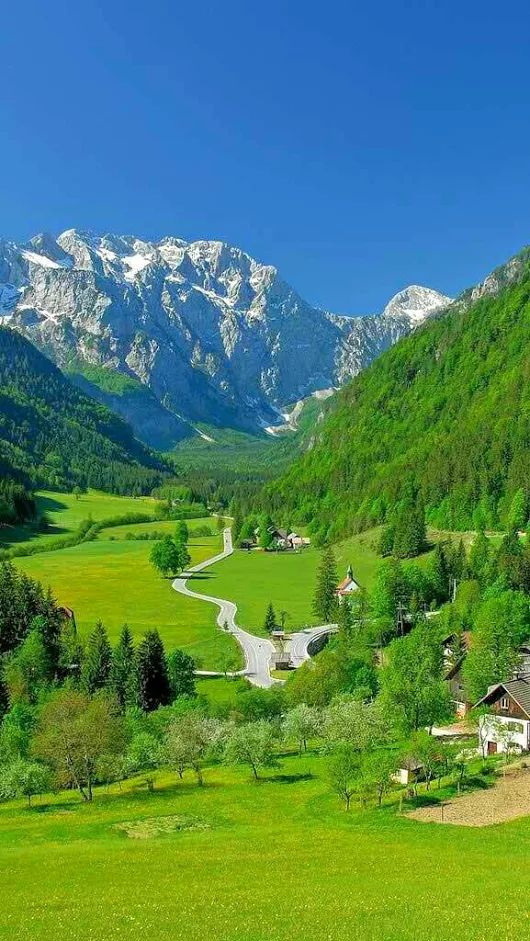
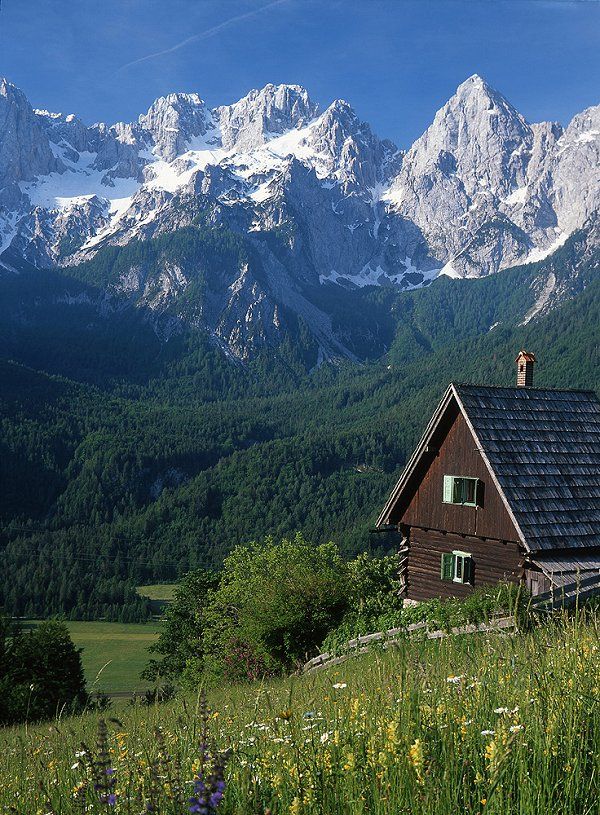
Triglav National Park has genuine Alpine scale, jagged limestone peaks, glacial valleys, Lake Bohinj as a base, at a fraction of the tourist density of the Austrian or Italian Alps just across the border. Triglav itself, Slovenia’s highest peak at 2,864 metres, is a serious two-day climb, but the valley trails around Bohinj and the Soča River offer excellent multi-day walking without needing to summit anything.
- Difficulty and length: ranges from easy valley walks to a technical two-day summit push
- Best season: June to September
- Good to know: the Soča Valley trail network connects well to Bovec, a good base for combining hiking with whitewater rafting
3. Picos de Europa, Spain
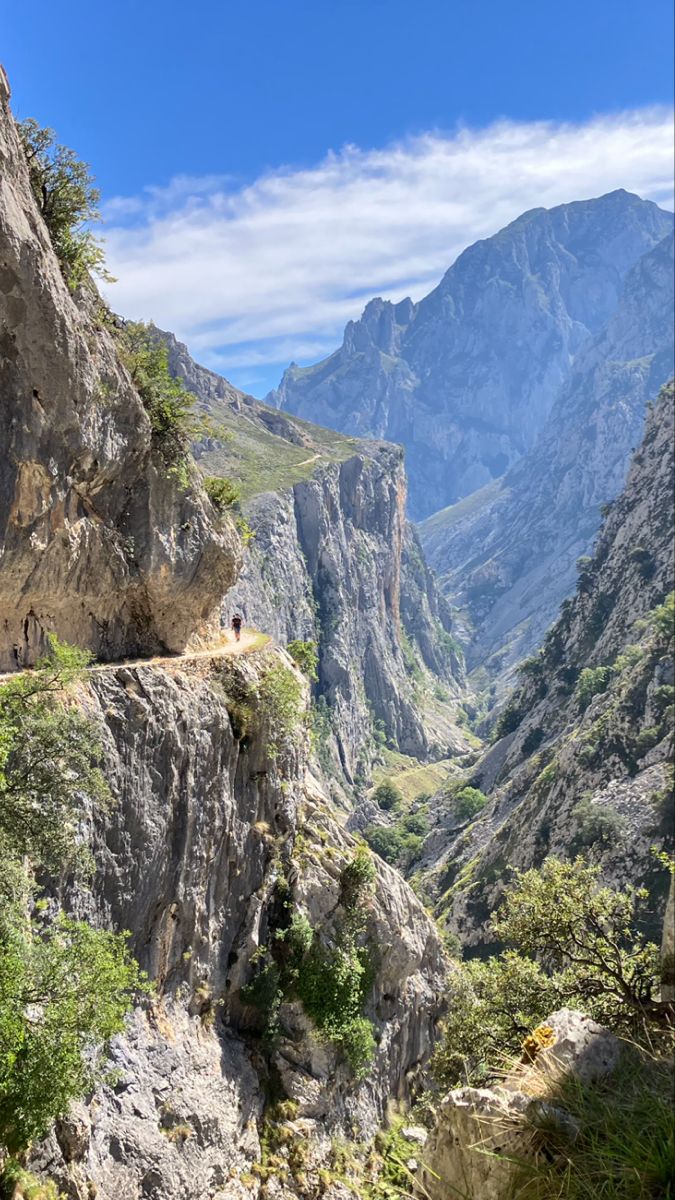
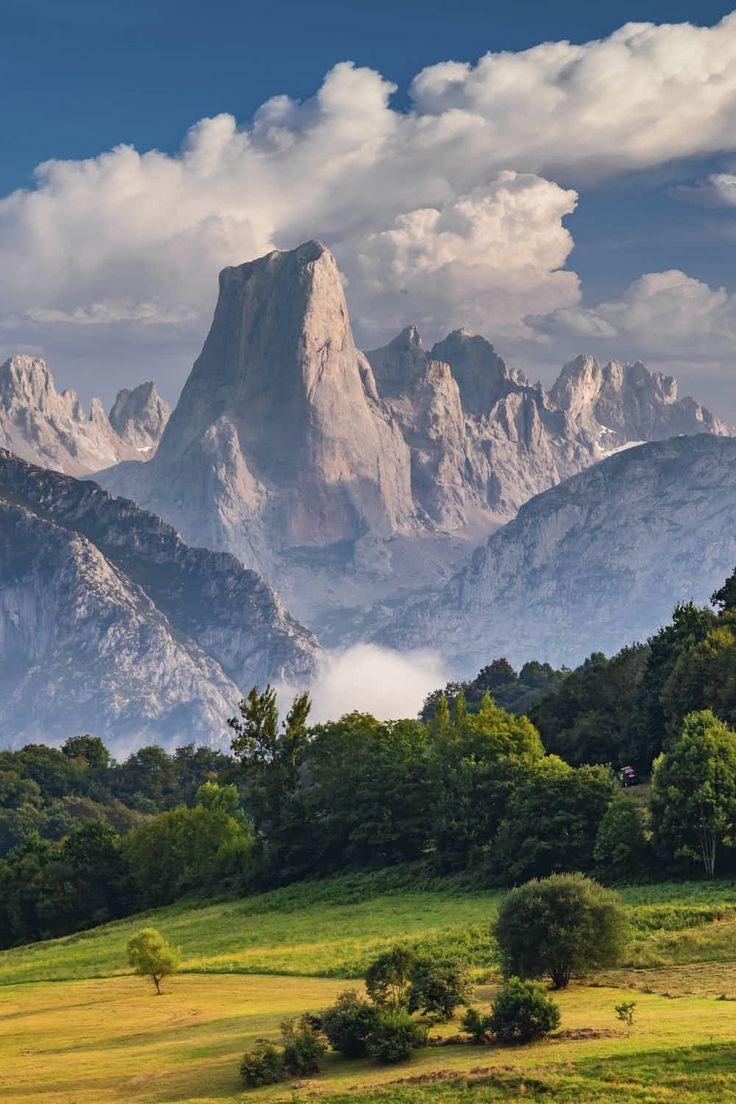
A compact limestone massif on Spain’s northern coast, closer to the Bay of Biscay than the Mediterranean, with peaks that rise almost sheer from green valleys below. The Ruta del Cares, a gorge trail cut into a cliff face, is the signature day hike, but the range rewards multi-day traverses through its national park just as well.
- Difficulty and length: the Ruta del Cares is a moderate 12km one-way day hike; multi-day routes range up to genuinely demanding
- Best season: May, June, or September, peak Spanish summer holidays crowd the range in August
- Good to know: base in Cain or Poncebos for the Cares gorge, or Sotres for longer routes deeper into the massif
4. The Tatra Mountains, Poland and Slovakia
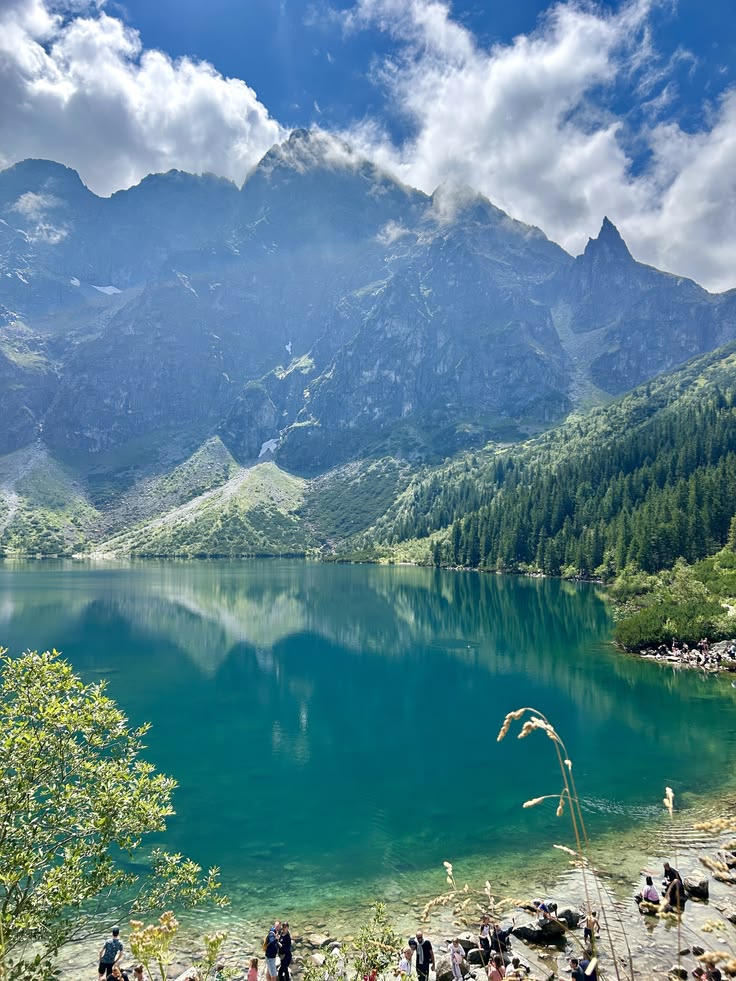
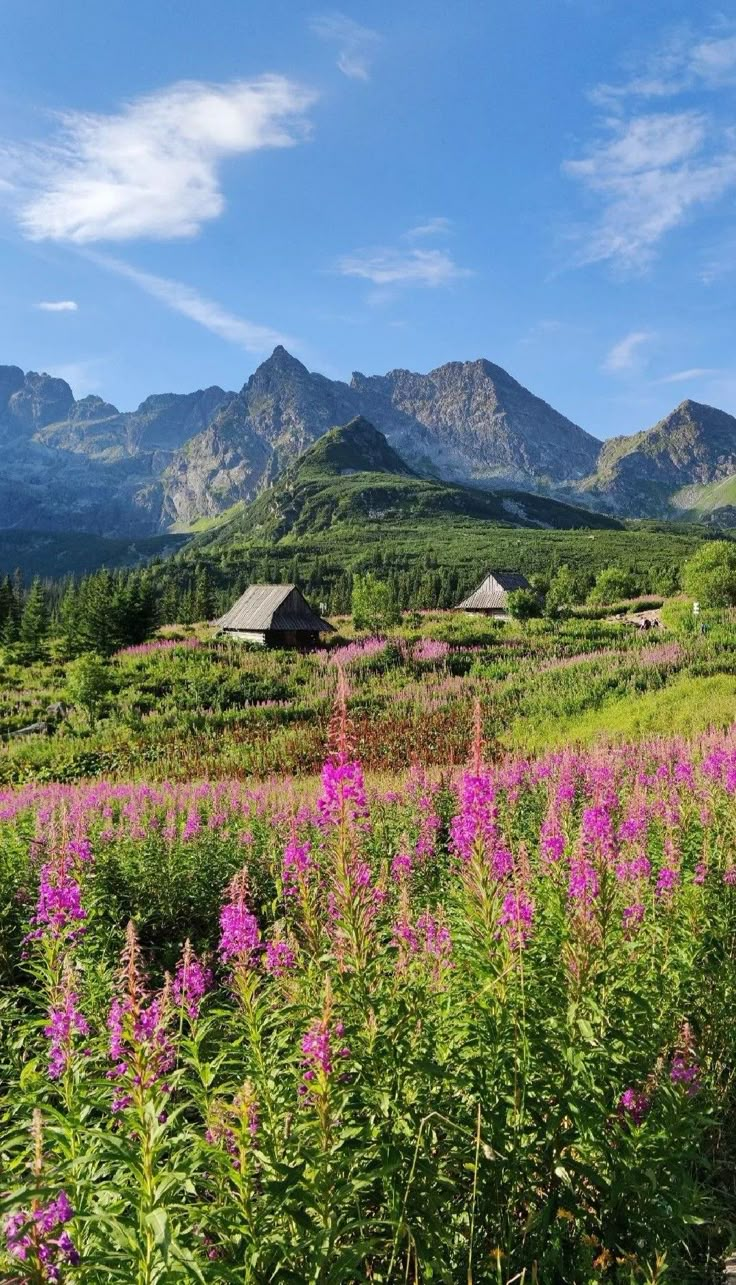
The highest range in the Carpathians, shared between Poland’s Zakopane side and Slovakia’s quieter southern slopes, with sharp granite peaks that look more like the Dolomites than most people expect from Central Europe. The Polish side gets real crowds in August; the Slovak side, reached from Poprad, stays noticeably calmer for comparable scenery.
- Difficulty and length: wide range, from valley walks to the demanding ridge route up Rysy, the highest peak
- Best season: June to September
- Good to know: cross-border routes exist, but require planning around which side has the trail infrastructure you need, the Slovak side has fewer cable cars and more genuine trail hiking
5. Durmitor National Park, Montenegro
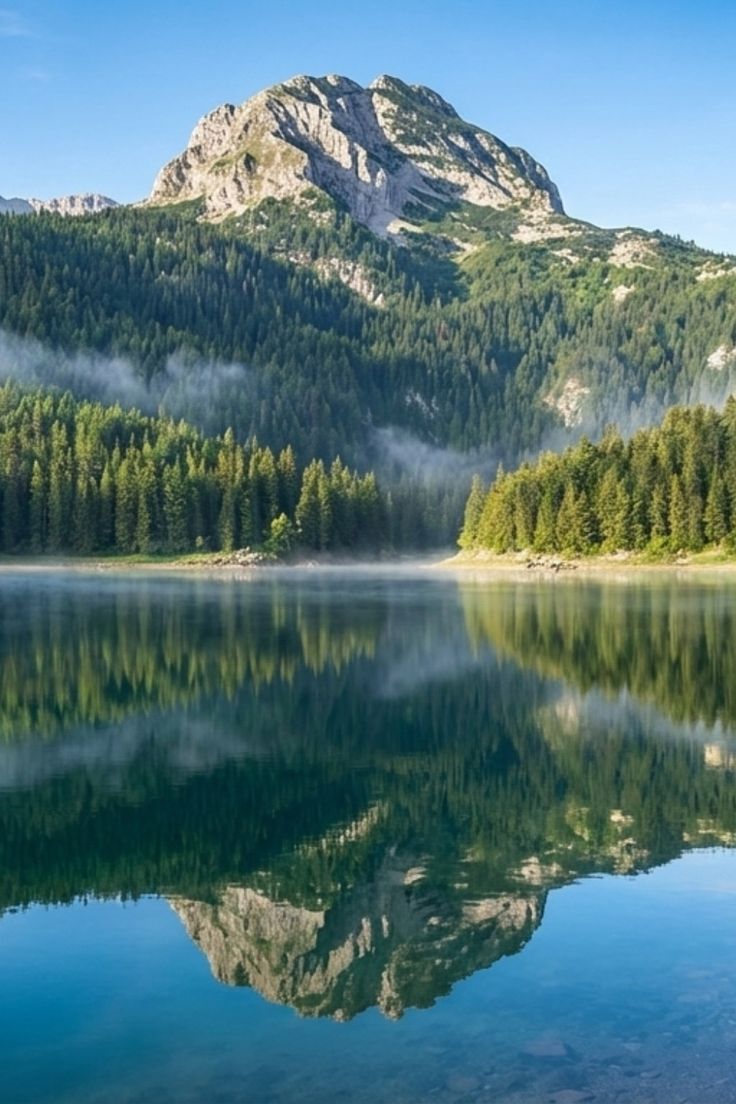
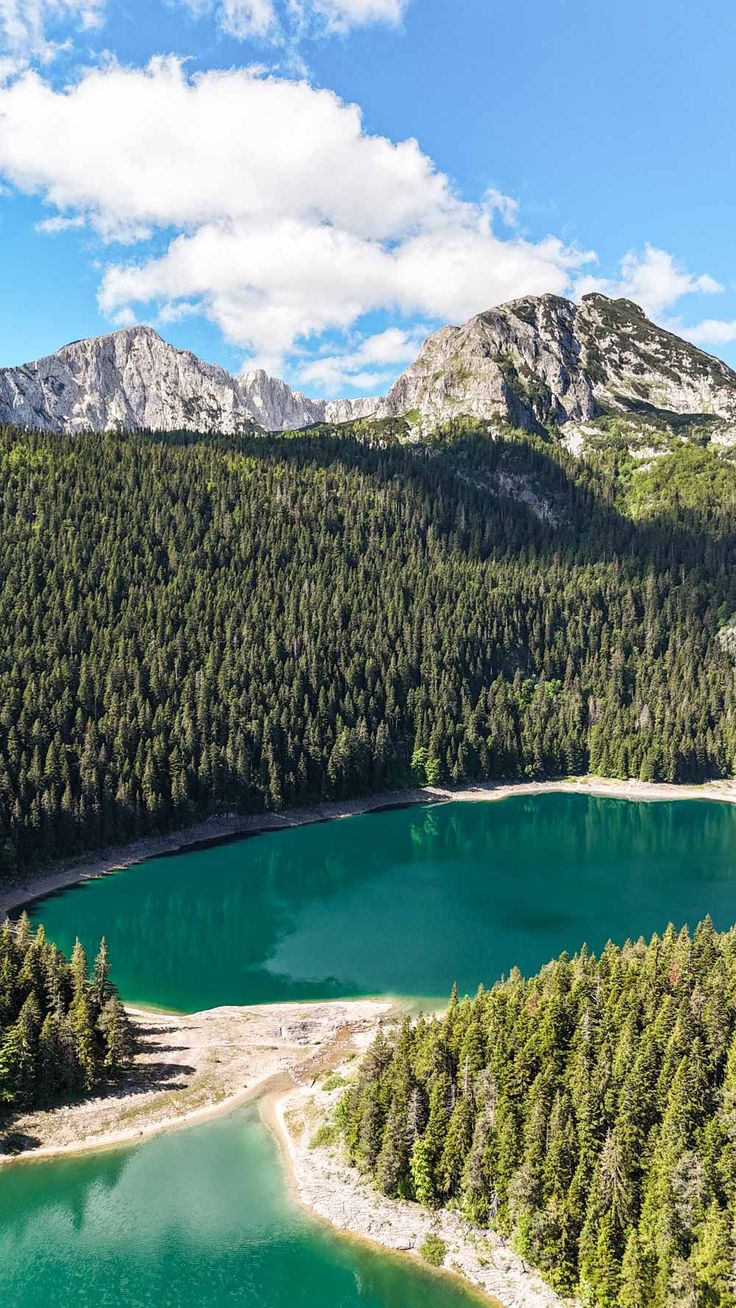
Best known, if it’s known at all, for the Tara River Canyon, Europe’s deepest gorge at roughly 1,300 metres, but the park itself is a proper hiking destination in its own right, over 50 peaks above 2,000 metres, glacial lakes locally called “mountain eyes,” and Bobotov Kuk, the highest point at 2,525 metres. It’s a UNESCO World Heritage Site and it still sees a fraction of the visitors Montenegro’s coast does.
- Difficulty and length: ranges from an easy loop around Black Lake to a demanding full-day ridge hike
- Best season: June to September
- Good to know: base in Žabljak, the park’s main town and Montenegro’s ski resort in winter, it’s the trailhead for nearly everything here
6. Zagori and the Vikos Gorge, Greece
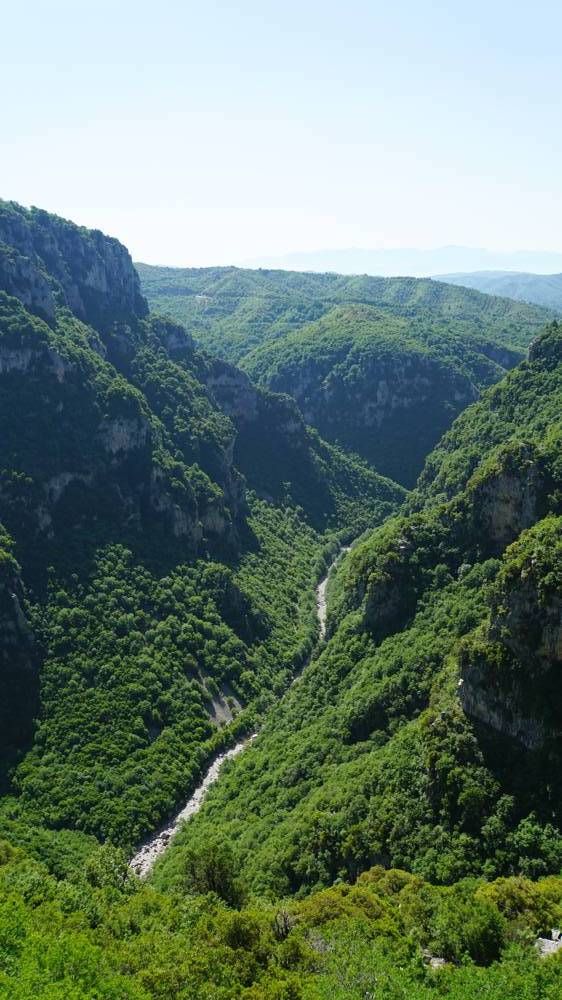
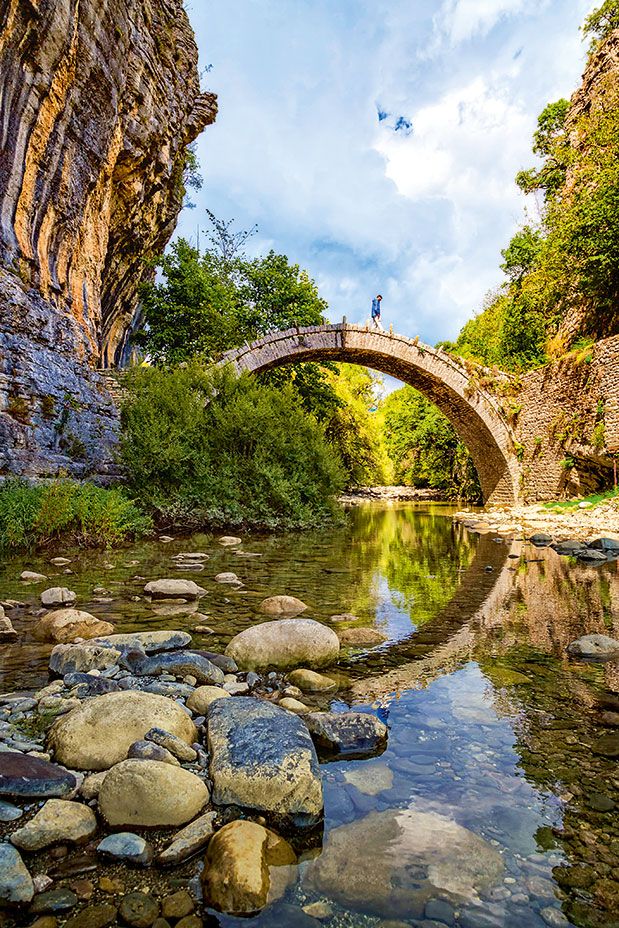
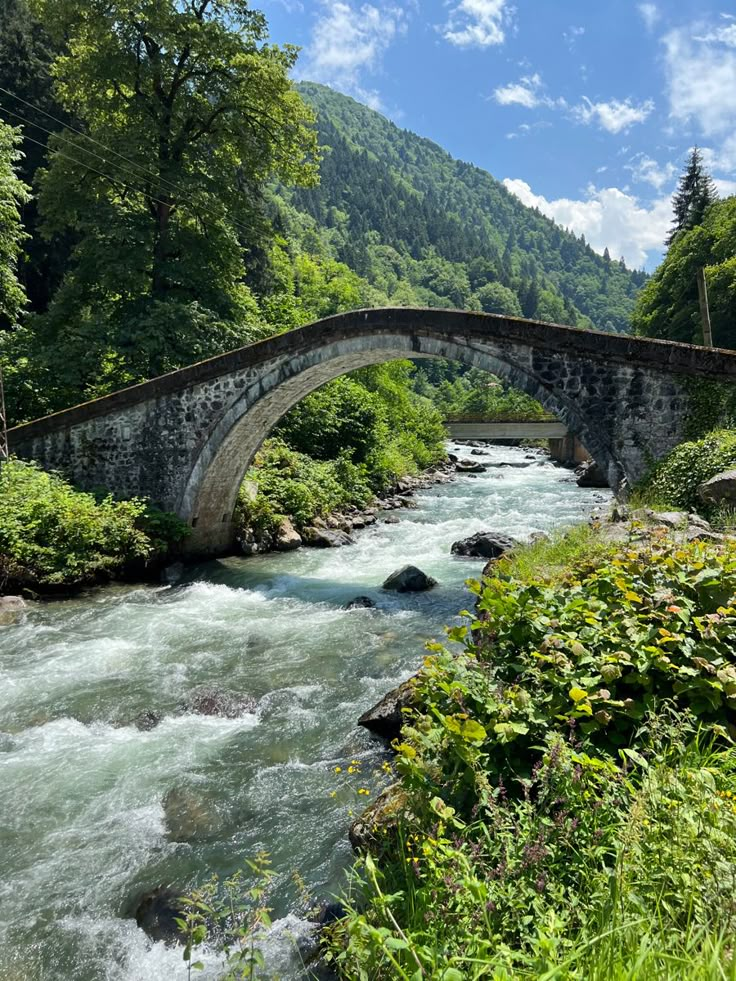
Northwestern Greece, inland from Ioannina, has nothing to do with the islands. The Zagorochoria are a cluster of stone villages connected by centuries-old arched bridges, sitting above the Vikos Gorge, which holds a Guinness World Record for the deepest gorge in the world relative to its width. It’s a genuinely different Greece from the one most travellers picture.
- Difficulty and length: the classic Vikos Gorge traverse runs a demanding 7 to 8 hours; shorter village-to-village walks are much easier
- Best season: May, June, or September, this region gets cold and quiet in winter and hot in August
- Good to know: base in Monodendri or Vikos village for gorge access, or Papingo for the wider Zagori trail network
7. Retezat National Park, Romania
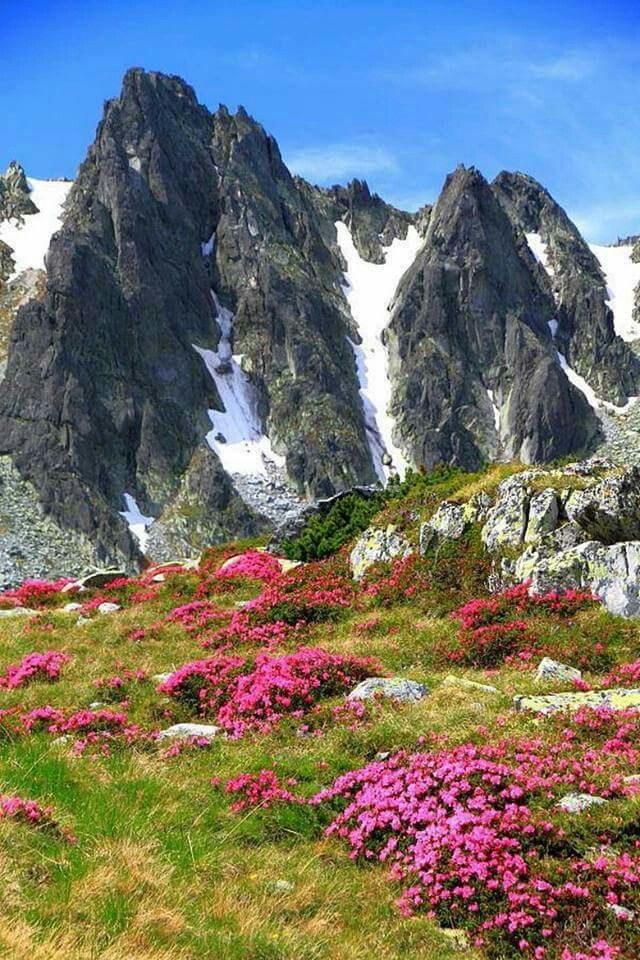
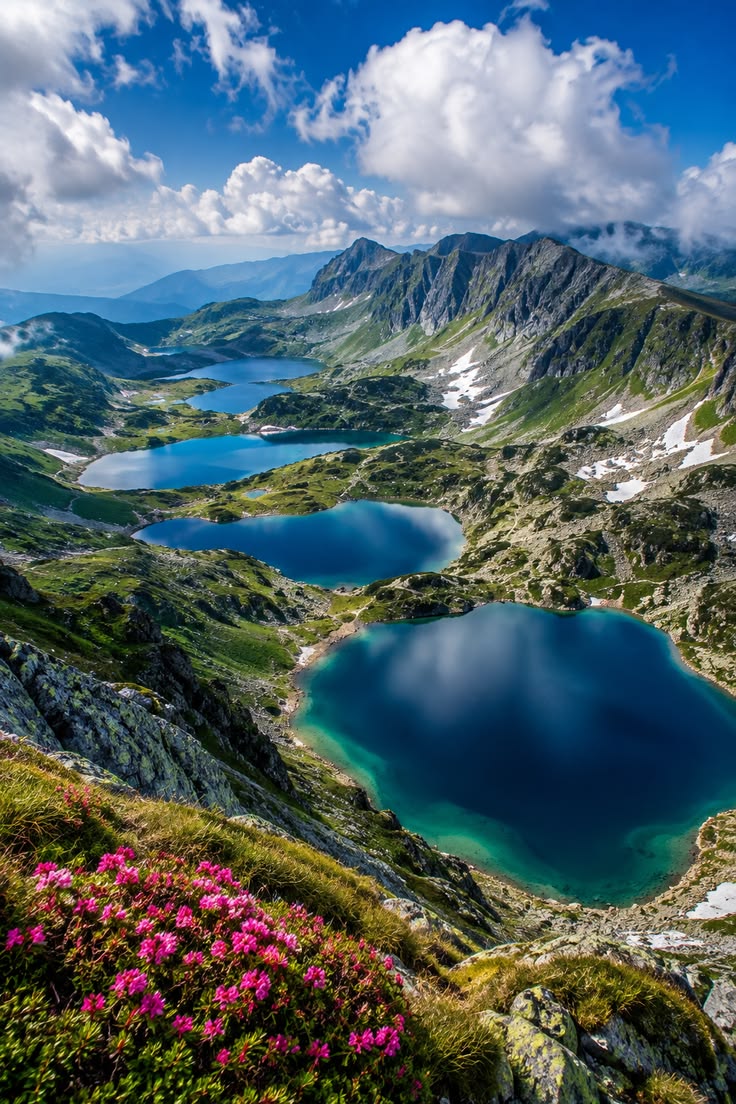
The most genuinely wild region on this list. Retezat is Romania’s oldest national park, home to real populations of wolves, bears, and chamois, with over 80 glacial lakes scattered through granite peaks that see a small fraction of the Carpathian tourism that flows toward Transylvania’s castles instead.
- Difficulty and length: demanding, this is remote terrain with limited waymarking in places
- Best season: July and August, snow lingers late at this altitude
- Good to know: hiring a local guide is genuinely worth it here, both for navigation and for the wildlife knowledge
8. Rila and Pirin Mountains, Bulgaria
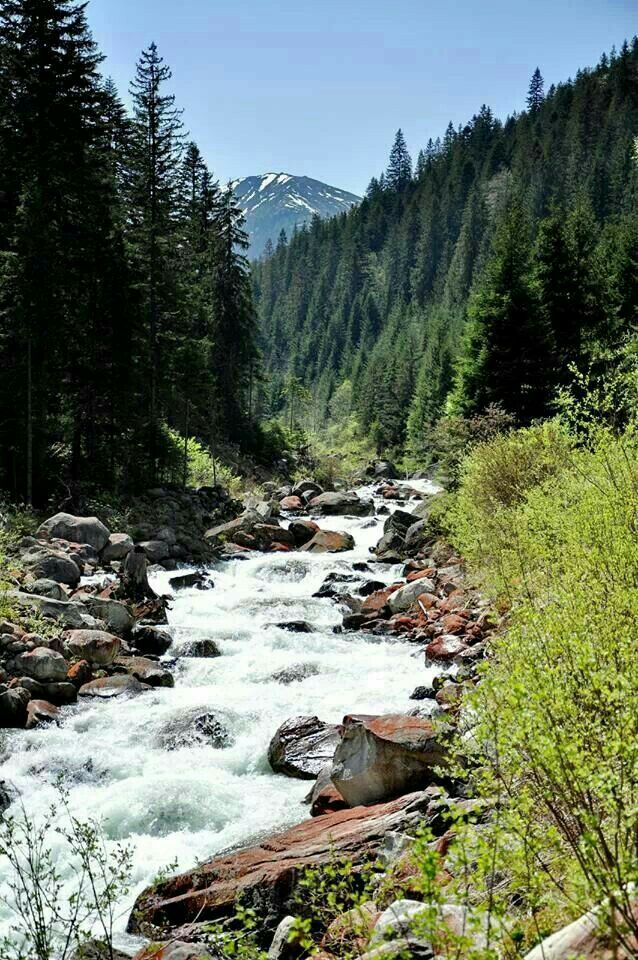
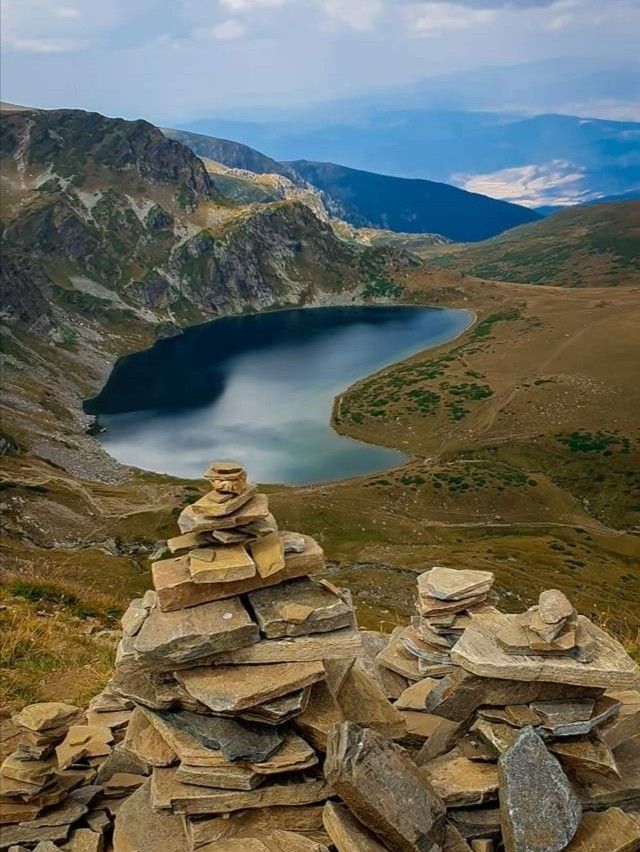
Two ranges, one trip. The Seven Rila Lakes, a cluster of glacial lakes at varying altitudes near the famous Rila Monastery, make an excellent one or two-day introduction, while the Pirin range further south has sharper granite peaks and longer multi-day routes. Both are inexpensive by Western European standards and correspondingly quiet.
- Difficulty and length: Seven Rila Lakes is a moderate day hike; Pirin’s longer routes are more demanding
- Best season: June to September
- Good to know: the Rila Monastery itself is worth a half-day on its own, easy to combine with the lakes hike from the same base
9. The Kaçkar Mountains, Turkey
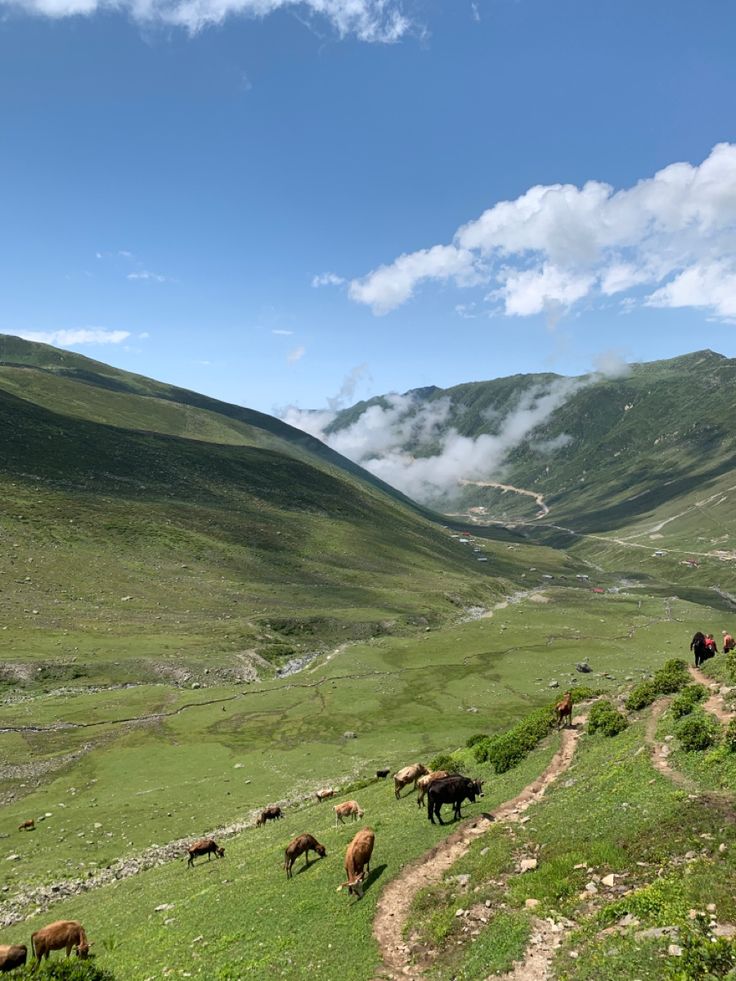
On Turkey’s Black Sea coast, a genuinely alpine range that looks nothing like the country’s Mediterranean image, glacial cirques, high pastures still used by shepherds in summer, and a network of trails that barely register outside Turkey itself. This is the least internationally known region on this list.
- Difficulty and length: demanding, high-altitude terrain with limited English-language trail information
- Best season: July and August, the range is genuinely remote and weather-dependent outside that window
- Good to know: a local guide is close to essential here, both for route-finding and for navigating the more remote villages
10. Corsica's interior, France
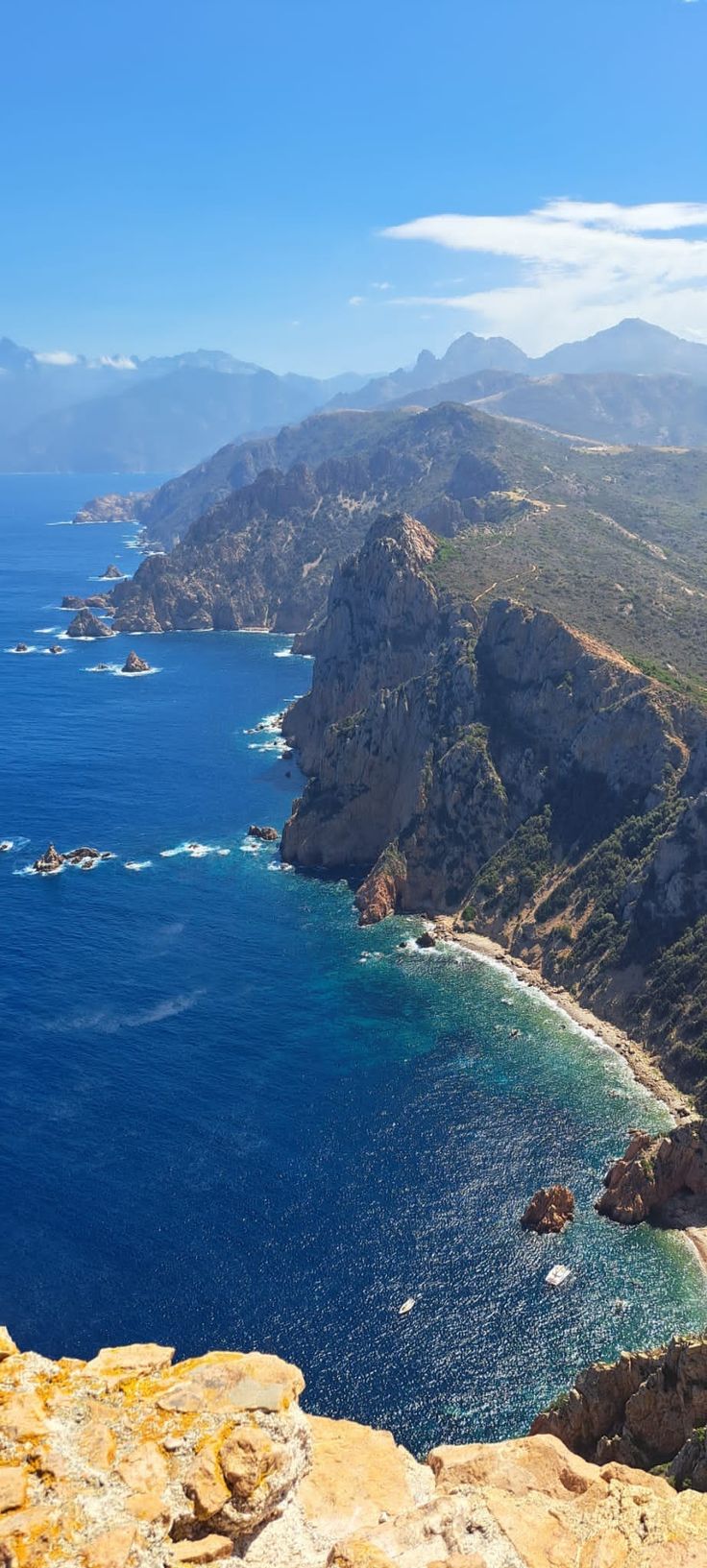
The GR20 is well known among serious long-distance hikers and almost completely unknown to everyone else, which makes it the exception on this list, underrated by general awareness rather than by hiking-community reputation. Sixteen days of granite ridges, high refuges, and genuinely demanding terrain running the length of the island’s interior, a world away from the Mediterranean beach towns on Corsica’s coast.
- Difficulty and length: among the most demanding long-distance trails in Europe, the full route takes 15 to 16 days
- Best season: June or September, snow can linger into June at altitude and refuges close by mid-October
- Good to know: refuges book out in July and August, reserve well ahead if you’re attempting the full route in peak summer
What makes a hiking region stay underrated
- Limited English-language trail information. Several of these regions, Retezat and the Kaçkar Mountains especially, have thin online documentation compared to the Alps, which keeps international hikers away regardless of trail quality.
- No major international airport nearby. Access usually means a regional airport plus a long drive, which filters out casual visitors the way it does for underrated beach towns too.
- Newer or less developed trail infrastructure. Waymarking, refuges, and mountain rescue coverage are usually more limited than in the Alps, which raises the bar for who attempts these routes.
- A national reputation built on something else entirely. Albania is known for its coast, Bulgaria and Romania for their cities and castles, which leaves the mountains genuinely under the radar even for people who’ve heard of the country.
Frequently Asked Questions
Which of these is best for a first multi-day trek?
The Valbona-Theth pass in Albania. It’s a single demanding day rather than a multi-day commitment, well-supported by guesthouses on both ends, and forgiving enough for a fit beginner with the right preparation.
Do I need to hire a guide for any of these?
Retezat and the Kaçkar Mountains genuinely benefit from one, both have thinner waymarking and less English-language information than the others. The Valbona-Theth pass, Durmitor, and the Julian Alps are well-marked enough for experienced independent hikers.
Which region is best for wildlife spotting?
Retezat, without much competition, Romania’s Carpathians hold real populations of brown bears, wolves, and chamois. Durmitor and the Kaçkar Mountains both have a chance of bear sightings too, though less reliably.
Which has the best trail infrastructure for someone new to multi-day hiking?
The Julian Alps and the Tatra Mountains both have well-established hut and refuge systems, similar in concept to the Alps, which makes logistics considerably easier than in Retezat or the Kaçkar Mountains.
Is the Theth-Valbona pass suitable for a beginner hiker?
For a reasonably fit beginner, yes, with the right footwear and enough water. It’s a long single day rather than a technical climb, and guesthouses at both ends mean you’re not carrying camping gear.