

Albania is not only a country of dramatic mountains, turquoise beaches, ancient towns, and warm hospitality. It is also a country with a deeply rooted food culture that tells its own story. Albanian cuisine is shaped by history, family traditions, local ingredients, and regional pride. It is simple in some ways, rich in others, and almost always made to be shared.
What makes traditional Albanian food special is that it feels real. It is not designed for trends or presentation first. It comes from homes, villages, family tables, small local restaurants, and generations of cooking passed down without needing to be written down. Every dish has a purpose, a season, and a place in Albanian life.
If you visit Albania and leave without trying its traditional food properly, you miss a major part of the experience. From slow-cooked meat dishes to fresh dairy, flaky pies, village salads, and unforgettable desserts, Albanian food has far more depth than many first-time visitors expect.
Here are the traditional Albanian foods you should try at least once.
Byrek
If there is one food you will see almost everywhere in Albania, it is byrek.
Byrek is a savory pastry made with thin layers of dough and filled with different ingredients. The most common versions are cheese, spinach, meat, tomato and onion, or mixed fillings. It is sold in bakeries, eaten at home, served for breakfast, lunch, or as a snack, and it remains one of the most familiar foods in everyday Albanian life.
What makes Albanian byrek so good is its balance. The pastry can be soft, crisp, light, or rich depending on the style and the region. Some versions are round and cut into slices, while others are made in trays and served in square pieces. It is simple food, but when made well, it is incredibly satisfying.
For many travelers, byrek becomes the first Albanian food they fall in love with because it is affordable, filling, and easy to find.
Tavë Kosi
Tavë kosi is one of the dishes most often mentioned when people talk about Albanian national food.
This baked dish combines lamb, rice, and a creamy mixture made with yogurt and eggs. The result is rich, comforting, and full of character. It has a golden top, a soft interior, and a flavor that feels both hearty and distinct from other Balkan dishes.
Tavë kosi is strongly associated with the city of Elbasan, where it is especially famous, but it is known throughout Albania. The yogurt gives it a slightly tangy depth that sets it apart from heavier meat casseroles. It feels rustic and homemade, but it also carries a sense of tradition and pride.
If you want to try one dish that feels unmistakably Albanian, this should be near the top of your list.
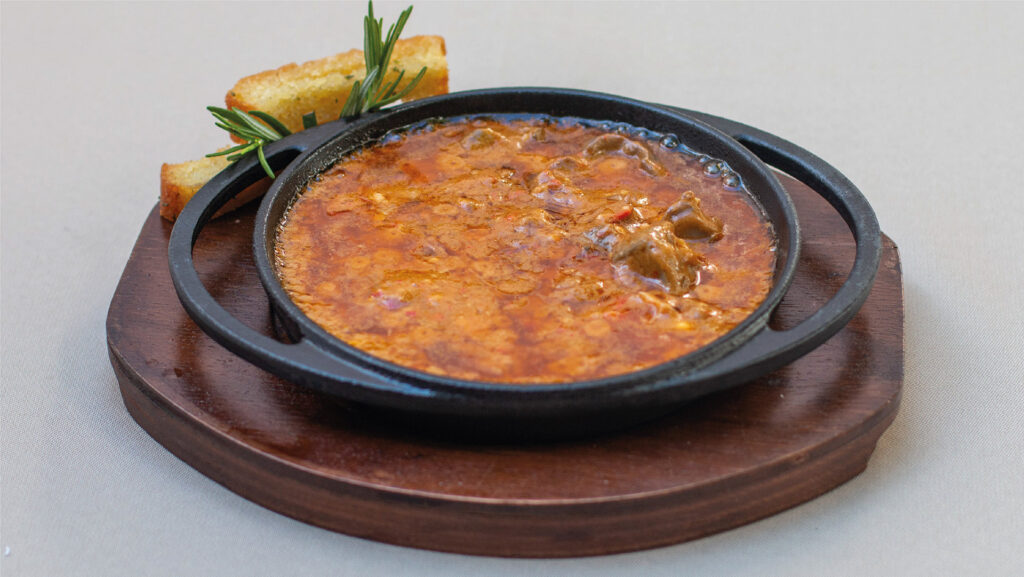
Fërgesë
Fërgesë is one of the most beloved traditional dishes in Albania, especially around Tirana and central Albania.
It is usually made with peppers, tomatoes, onions, cottage cheese or gjizë, and sometimes liver or meat depending on the recipe. The texture is thick, creamy, and rich, and it is usually served warm with bread. It may sound simple, but the flavor is deep and comforting.
There is something very home-like about fërgesë. It feels like the kind of dish made in a family kitchen rather than for a menu designed to impress tourists. That is exactly what makes it worth trying. It represents the strength of Albanian cooking at its best: local ingredients, strong flavor, and no unnecessary complication.
Flija
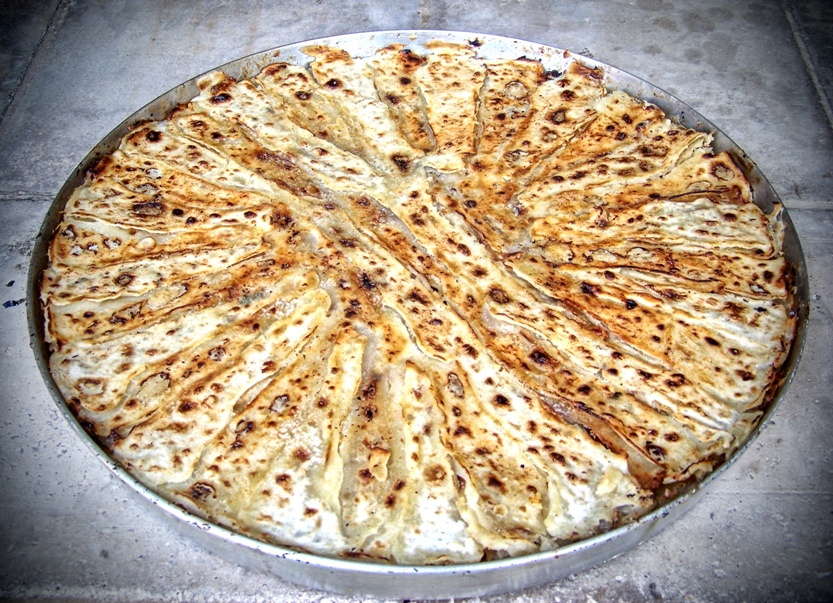
Flija is more than food. It is tradition.
This layered dish is made by creating thin rounds of batter one over another, often brushed with cream or butter between layers, then slowly baked over time. It takes patience and is often prepared for gatherings, family occasions, or when guests are welcomed in a special way.
Flija is especially connected with northern Albanian and Kosovar traditions, and it is not the kind of dish usually made in a hurry. That is part of its beauty. It reflects hospitality, time, and the importance of sharing food together.
Served with yogurt, cheese, honey, or other side dishes, flija is one of those foods that visitors remember not just for its taste but for the whole experience around it.
Speca të Mbushura
Stuffed peppers are popular across the Balkans, but speca të mbushura have a special place in Albanian home cooking.
The peppers are usually filled with rice, herbs, vegetables, and often minced meat, then baked until soft and full of flavor. The dish is comforting, balanced, and deeply familiar to many Albanian families. It is not flashy food. It is everyday food made with care.
What makes this dish worth trying is its connection to the Albanian table. You will find versions of it in homes, traditional restaurants, and regional kitchens, often served with yogurt or fresh bread. It is a good example of how Albanian food often turns simple ingredients into something deeply satisfying.

Qofte
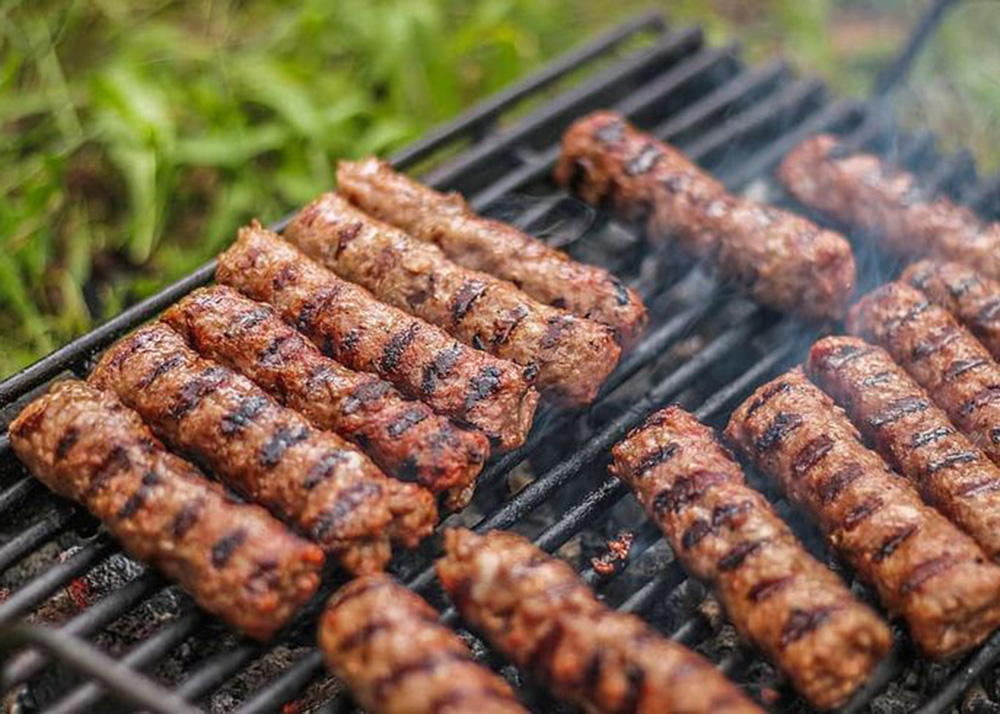
Qofte are Albanian meatballs, and they appear in many forms across the country.
They can be grilled, fried, served with bread, rice, salad, yogurt sauces, or tomato-based sides. Some are made simply with minced meat, onion, herbs, and spices, while others reflect local variations. You will find qofte in family homes, roadside restaurants, and traditional eateries.
They may seem familiar at first, but that is exactly why they are interesting. Albanian qofte reflect the everyday side of the cuisine. They are approachable, flavorful, and tied to the kind of meals people actually eat on a regular basis.
When paired with fresh salad, white cheese, and warm bread, they become a classic Albanian table on their own.
Tava e Dheut
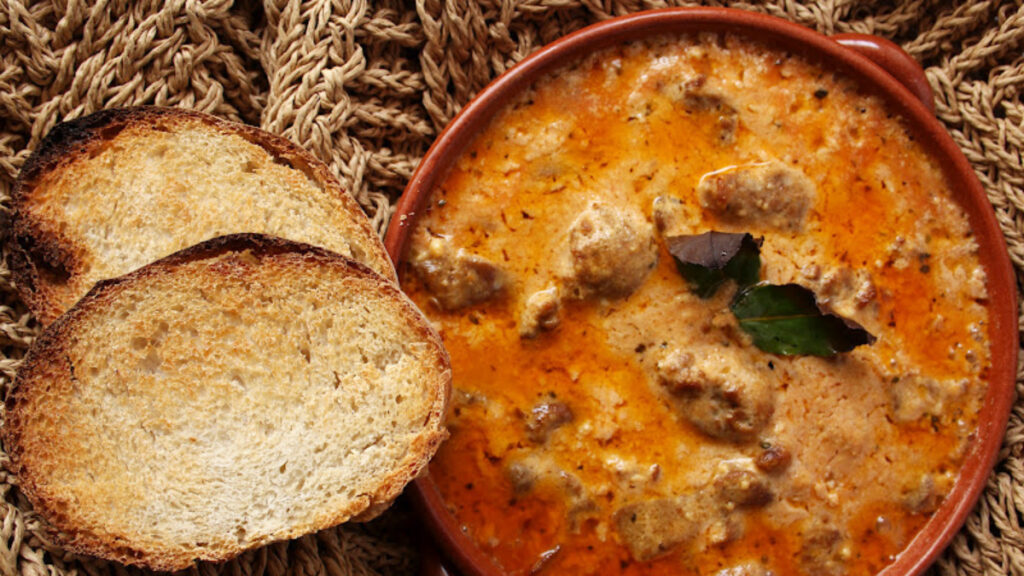
Tava e dheut is another rich and traditional Albanian dish that deserves attention.
It is typically made with meat, liver, onions, peppers, and spices, often cooked in an earthenware dish that helps deepen the flavor. The name itself refers to the clay or earth-based dish in which it is traditionally prepared. It is rustic, bold, and deeply rooted in local cooking practices.
This is the kind of meal that gives you a stronger sense of Albanian cuisine beyond the most commonly mentioned dishes. It has warmth, intensity, and a homemade quality that feels very connected to local food culture.
Japrak
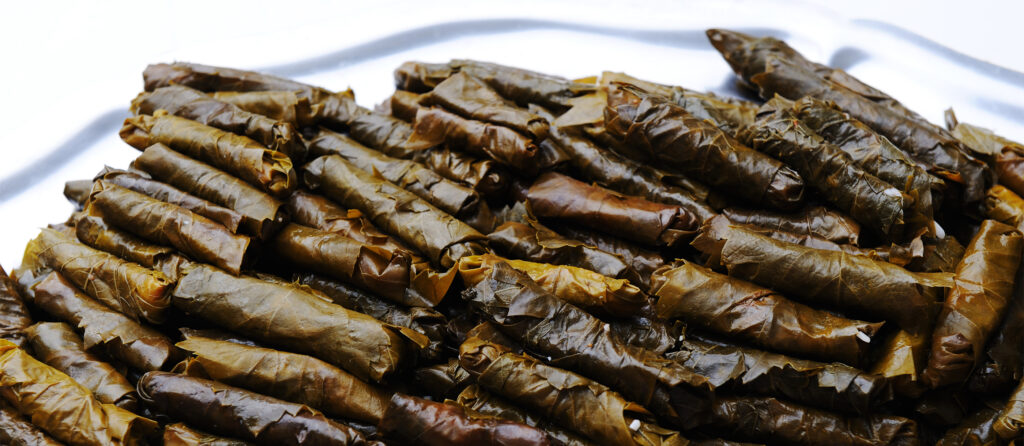
Japrak is one of those dishes that quietly holds its place on the Albanian table.
It is made with vine leaves stuffed with rice, herbs, and sometimes minced meat, then cooked until tender. The result is fragrant, delicate, and flavorful. While versions of stuffed vine leaves exist across the wider region, japrak remains part of the traditional Albanian food identity, especially in home cooking and festive meals.
It is often served as part of a larger table with multiple dishes, which is exactly how Albanian food is best experienced. Not as one isolated plate, but as a spread of flavors shared among people.
Petulla
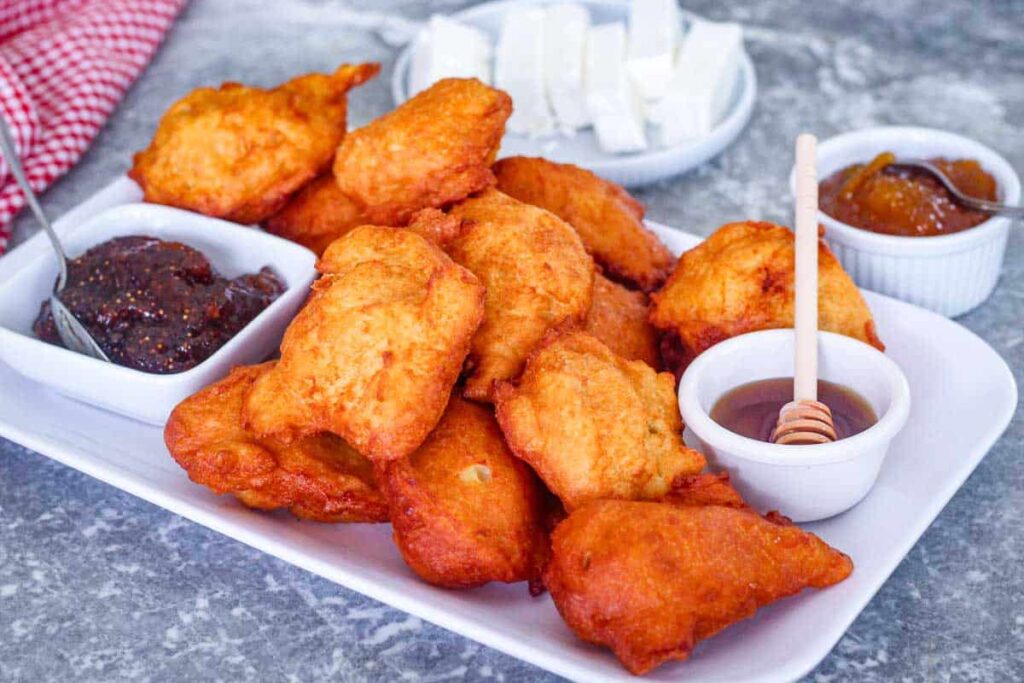
Petulla are fried dough pieces that are simple, comforting, and loved by almost everyone.
They are often served for breakfast or as a homemade treat, sometimes with white cheese, jam, honey, yogurt, or sugar. In many Albanian households, petulla are tied to family mornings, visits, and warm kitchen memories.
For visitors, they offer a very direct connection to Albanian home food culture. They are not complicated, but they are delicious when fresh, soft inside, and lightly crisp outside. Sometimes the simplest traditional foods are the ones people remember most.
Baklava
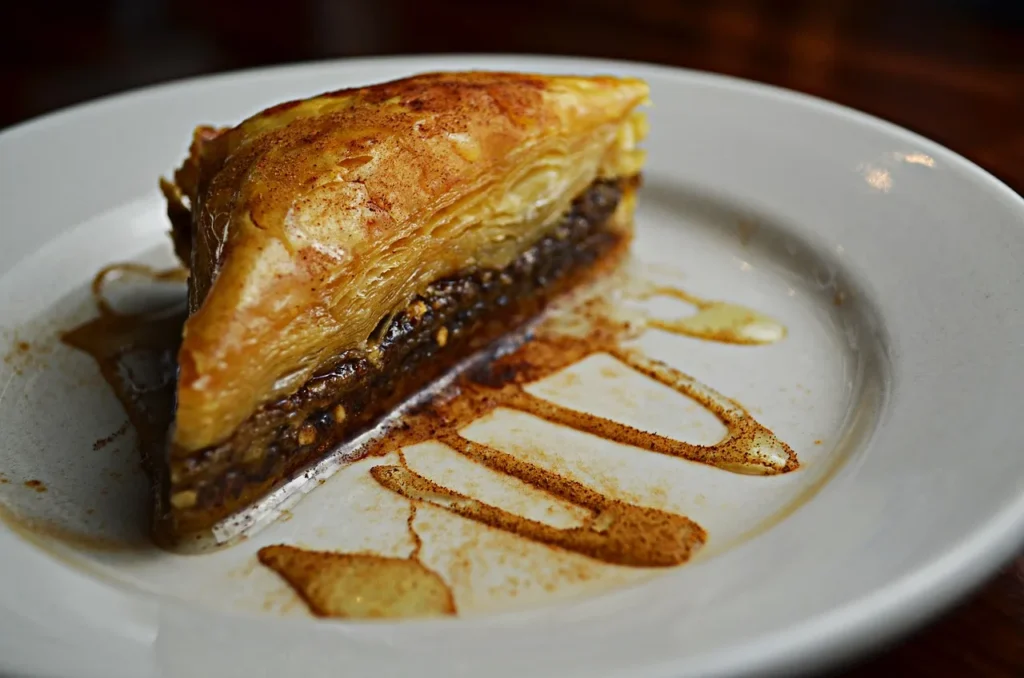
Baklava is widely known across the region, but Albanian baklava still deserves a place on this list because of how strongly it appears in family celebrations and festive traditions.
Made with layers of pastry, nuts, and syrup, it is especially common during holidays and important gatherings. Albanian-style baklava is rich, sweet, and generous, often prepared in large trays to be shared with family and guests.
It reflects something important about Albanian food culture: sweets are not only desserts, they are part of hospitality.
Trilece
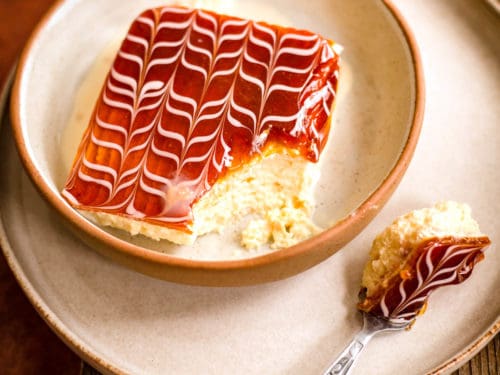
Although more modern in popularity than some older village dishes, trilece has become one of the most loved desserts in Albania.
This soft milk-soaked cake topped with caramel has become a common favorite in restaurants and family celebrations. It may not have the same ancient roots as other dishes on this list, but it has firmly earned its place in the Albanian food experience.
Visitors who enjoy desserts should not skip it.
White Cheese, Yogurt, and Village Dairy
Not every Albanian food experience is about one big dish.
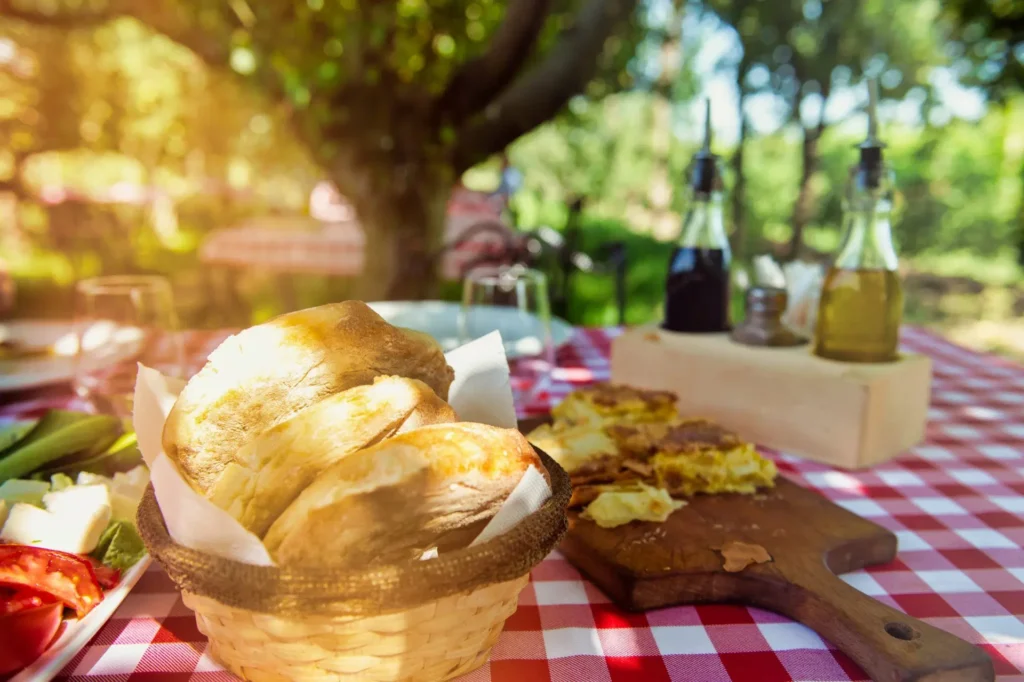
Some of the most memorable flavors in Albania come from its dairy products. Fresh white cheese, thick yogurt, buttermilk, and village butter often appear on the table almost without ceremony, yet they leave a strong impression. Combined with warm bread, olives, tomatoes, cucumbers, and peppers, they create the kind of meal that feels fresh, honest, and deeply tied to the land.
In many cases, these simple combinations say as much about Albanian food as the more famous cooked dishes.
Regional food makes the experience even better
One of the best things about trying traditional Albanian food is that it changes from one area to another.
In the north, you may find heavier, heartier dishes connected to mountain life and slower cooking traditions. In central Albania, you will discover famous classics like tavë kosi and fërgesë. In the south, food often becomes lighter, more Mediterranean, with fresh herbs, olive oil, pies, cheeses, and vegetable-based dishes playing a larger role.
This regional variety makes food part of the journey. Eating in Shkodër does not feel exactly the same as eating in Berat, Gjirokastër, Korçë, or along the southern coast. Each place adds something of its own.
Traditional Albanian food is about more than taste
To understand Albanian food properly, it helps to understand the culture behind it.
Meals in Albania are rarely treated as something rushed or purely practical. Food is linked to welcome, respect, family, and generosity. Guests are often offered more than they expect. Tables are set with multiple dishes. Bread is always close. Salad, cheese, yogurt, olives, and grilled or baked dishes come together naturally. Even simple meals can feel abundant.
That is why trying Albanian food is not only about ticking dishes off a list. It is about stepping into the rhythm of Albanian hospitality.
Final thoughts
Traditional Albanian food deserves far more attention than it usually gets.
It is flavorful without trying too hard, diverse without losing its roots, and deeply connected to the people and landscapes of the country. Whether you are eating byrek from a local bakery, enjoying tavë kosi in a traditional restaurant, sharing flija with locals, or finishing a long meal with baklava and coffee, each dish gives you a closer connection to Albania itself.
If you visit Albania, make sure food is part of your journey, not just a pause between destinations.
Because once you try Albanian food properly, you will understand that it is not only something to eat.
It is something to remember.