

Albanian is more than a language – it is a living testament to survival, identity, and continuity. Spoken by millions across the Balkans and the diaspora, it stands as one of Europe’s oldest and most unique languages, carrying within it echoes of ancient civilizations and the resilience of a people who refused to disappear. To understand Albania, Kosovo, and Albanians anywhere in the world, you must first understand their language.
A Language Unlike Any Other
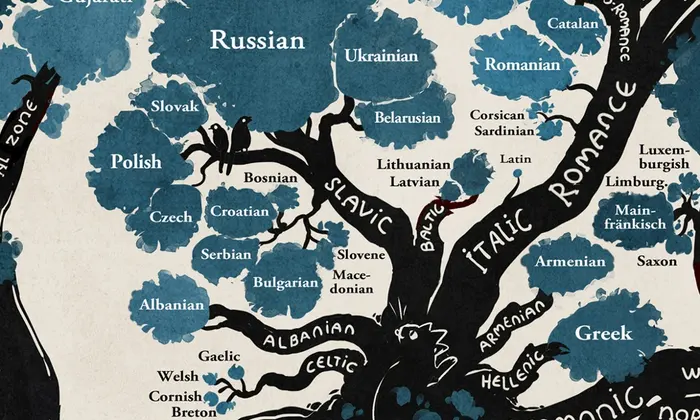
Albanian is part of the Indo-European language family, yet it forms its own independent branch. Unlike Greek, Latin, or Slavic languages, Albanian does not directly descend from or belong to any of these groups. This uniqueness makes it one of the most fascinating languages in Europe.
Linguists widely believe that Albanian evolved from the languages spoken by ancient Balkan tribes, often linked to the Illyrians. While definitive proof remains debated, the continuity between ancient populations and modern Albanians is strongly reflected in the language itself, its structure, vocabulary, and deep-rooted presence in the region.
The Two Main Dialects: Geg and Tosk
Albanian is divided into two primary dialects:
- Geg – spoken in the north (Kosovo, northern Albania, parts of North Macedonia)
- Tosk – spoken in the south of Albania
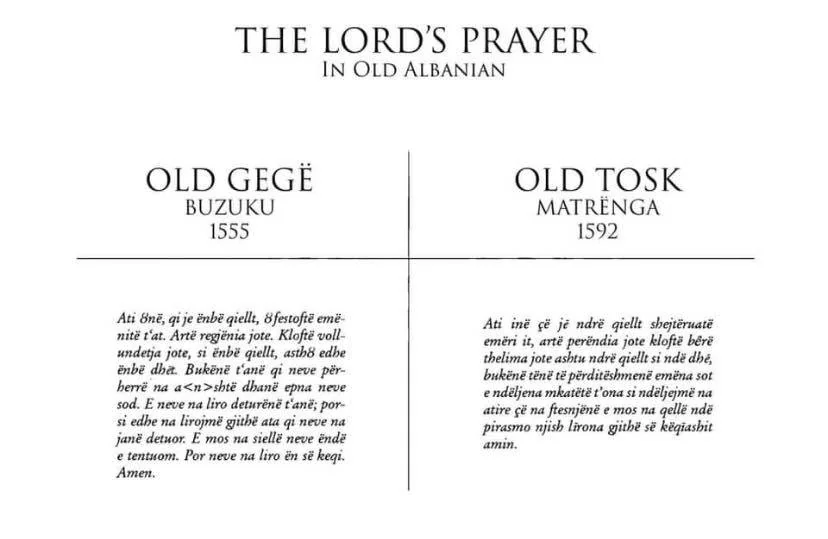
The Shkumbin River roughly separates these dialects. Despite differences in pronunciation and some vocabulary, speakers of both dialects understand each other easily.
The standardized Albanian language used today is based primarily on the Tosk dialect, established during the 20th century to unify communication, education, and literature across Albanian-speaking regions.
A Late Written Tradition, A Deep Oral Legacy
Although Albanian is ancient, its written history begins relatively late. The first known written document in Albanian is the Formula e Pagëzimit (Baptism Formula) from 1462, authored by Pal Engjëlli.

Later, in 1555, Gjon Buzuku published Meshari, the first book written in Albanian. These early works were not just religious texts – they were acts of preservation, ensuring that the Albanian language would survive during centuries of foreign rule.
For generations, Albanian culture and language were passed down orally through songs, legends, and storytelling. This oral tradition helped protect the language even when writing in Albanian was restricted.
Language Under Pressure: Survival Through Centuries
Throughout history, Albanians lived under various empires, including the Ottoman Empire, where the use of Albanian in schools and official settings was often discouraged or forbidden.
Yet the language endured.
Families spoke it at home. Poets preserved it in verses. Patriots risked their lives to teach it. The Albanian language became a symbol of resistance, a quiet but powerful form of rebellion.
The Alphabet and National Awakening
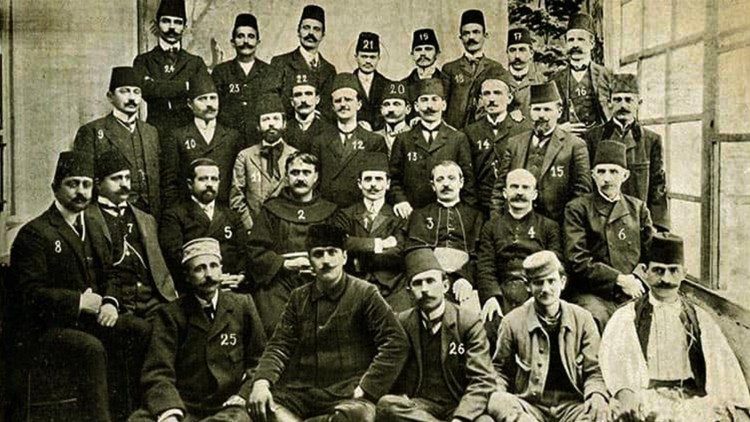
A crucial turning point came in 1908 with the Congress of Manastir, where Albanian intellectuals unified the alphabet into the Latin-based system used today.
This was more than a linguistic decision, it was a declaration of identity. A unified alphabet meant unity among Albanians, regardless of region or religion. It laid the foundation for education, literature, and national consciousness.
A Language That Defines Identity
For Albanians, language is deeply tied to identity. It is a marker of belonging.
Even during times when borders changed and political realities shifted, the Albanian language remained constant. It connected people across Albania, Kosovo, North Macedonia, and the diaspora.
To speak Albanian is to carry history within your words.
Albanian Today: A Living Heritage
Today, Albanian is spoken by over 7 million people worldwide. It is the official language of Albania and Kosovo, and a recognized minority language in several Balkan countries.
Despite globalization, the language continues to evolve while preserving its core identity. New words emerge, but the essence remains unchanged; a rare balance between tradition and modernity.
Why the Albanian Language Matters
The story of the Albanian language is a story of endurance. It survived without a strong written tradition for centuries. It endured political pressure, cultural suppression, and geographical division. And yet, it remains alive, strong, and uniquely its own.
For travelers, learning even a few Albanian words opens doors, not just to conversations, but to deeper cultural understanding. For Albanians, it is a source of pride that connects generations past, present, and future.
Final Thoughts
The Albanian language is one of its most resilient. It tells the story of a people who preserved their voice against all odds.
When you hear Albanian spoken in the streets of Tirana, Pristina, or a small mountain village, you are not just hearing a language, you are hearing history, identity, and the enduring spirit of a nation.