

To understand the Albanian people, you have to look beyond headlines and maps. Albania sits at the crossroads of the Mediterranean and the Balkans, shaped by mountains, empires, migrations, and fierce independence. The result is a society layered with memory, pride, and a strong sense of belonging.
Albanians call their country Shqipëri and themselves Shqiptarë, often translated as “sons of the eagle.” The double-headed eagle on the flag symbolizes sovereignty and continuity. Identity here is rooted in language, ancestry, and shared codes of honor that survived centuries of foreign rule.
This is a journey through Albanian history, culture, traditions, cities, and food — the elements that define who Albanians are today.
Ancient Roots and the Birth of a Nation
The story of albanian history reaches deep into antiquity. Many historians trace Albanian ancestry to the Illyrians, ancient tribes who inhabited the western Balkans long before Roman expansion. Archaeological sites such as Butrint reveal layers of Greek, Roman, Byzantine, and Venetian influence.
During the 15th century, the national hero Gjergj Kastrioti Skanderbeg led a resistance against the Ottoman Empire, uniting fragmented territories and becoming a symbol of resilience. His legacy still shapes how Albanian people view strength and unity.

The Ottoman era lasted nearly five centuries. Mosques, bridges, and bazaars built during this time remain woven into everyday landscapes. Religious diversity — Muslim, Catholic, and Orthodox communities, evolved side by side, forming a culture where coexistence became natural rather than exceptional.
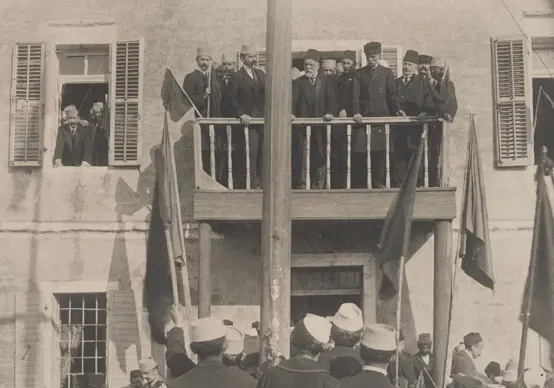
Albania declared independence in 1912, endured World War II occupation, and later experienced decades of isolation under a rigid communist regime. When the system collapsed in the early 1990s, the country reopened to the world, and a new chapter began — one defined by transition, migration, and ambition.
The Language That Holds Everything Together
The Albanian language is one of Europe’s oldest surviving branches of the Indo-European family. It stands alone – not Slavic, not Greek, not Latin – with its own alphabet standardized in 1908.
Language acts as a cultural backbone. Whether in the northern mountains or southern coast, dialect differences exist, yet mutual understanding remains strong. For the Albanian people, language is not just communication; it is heritage preserved across centuries of change.
Albanian Culture: A Code of Honor and Hospitality
One cannot explore albanian culture without encountering the concept of besa. This word roughly translates to “given word” or sacred promise. It carries moral weight — loyalty, trust, and protection.
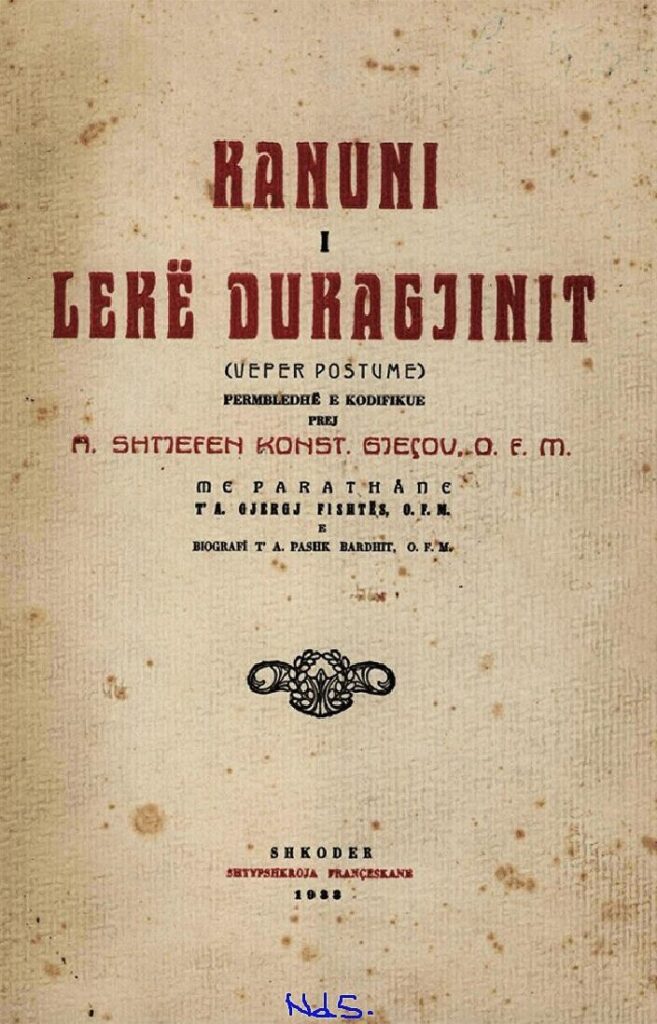
Historically codified in the Kanun of Lekë Dukagjini, a set of customary laws, these values shaped social life in northern Albania. While modern society no longer follows the Kanun as law, its ethical influence remains visible in family ties and hospitality.
Guests are treated with deep respect. A visitor entering an Albanian home is offered coffee, sweets, and conversation almost immediately. Hospitality extends beyond politeness; it reflects identity.
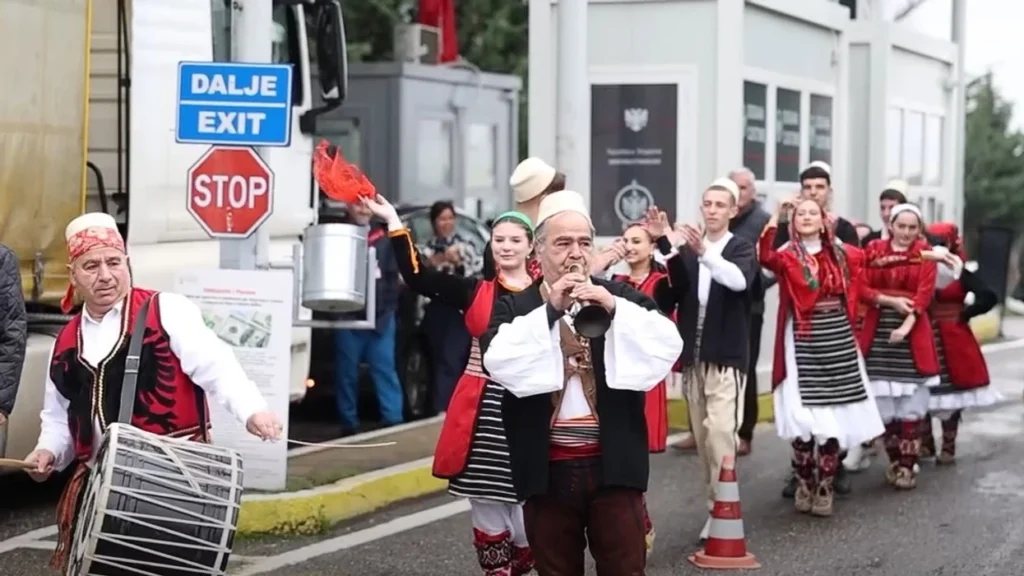
Traditional music and dance also play a central role. The circular dance known as valle is performed at weddings and festivals, accompanied by instruments such as the çifteli or lahuta. Lyrics often speak of love, bravery, migration, and mountains.
Albanian Cities: Between Stone and Sea
Albanian cities reflect layers of history and geography.
- Tirana is vibrant and evolving. Once grey under communism, it now features colorful architecture, lively cafés, and creative spaces.
- Berat, known as the “City of a Thousand Windows,” displays Ottoman-era houses climbing a hillside.
- Gjirokastër stands out with its stone architecture and fortress views.
- Sarandë offers turquoise waters along the Ionian coast.
These cities reveal contrasts, coastal Mediterranean energy in the south, alpine strength in the north, and urban reinvention in the capital. Together they shape modern albanian identity.
Albanian Food: Flavors of Land and Sea
Albanian food reflects geography and history. Influences from the Ottoman Empire, Italy, and Greece blend into distinct local recipes.
Some staples include:
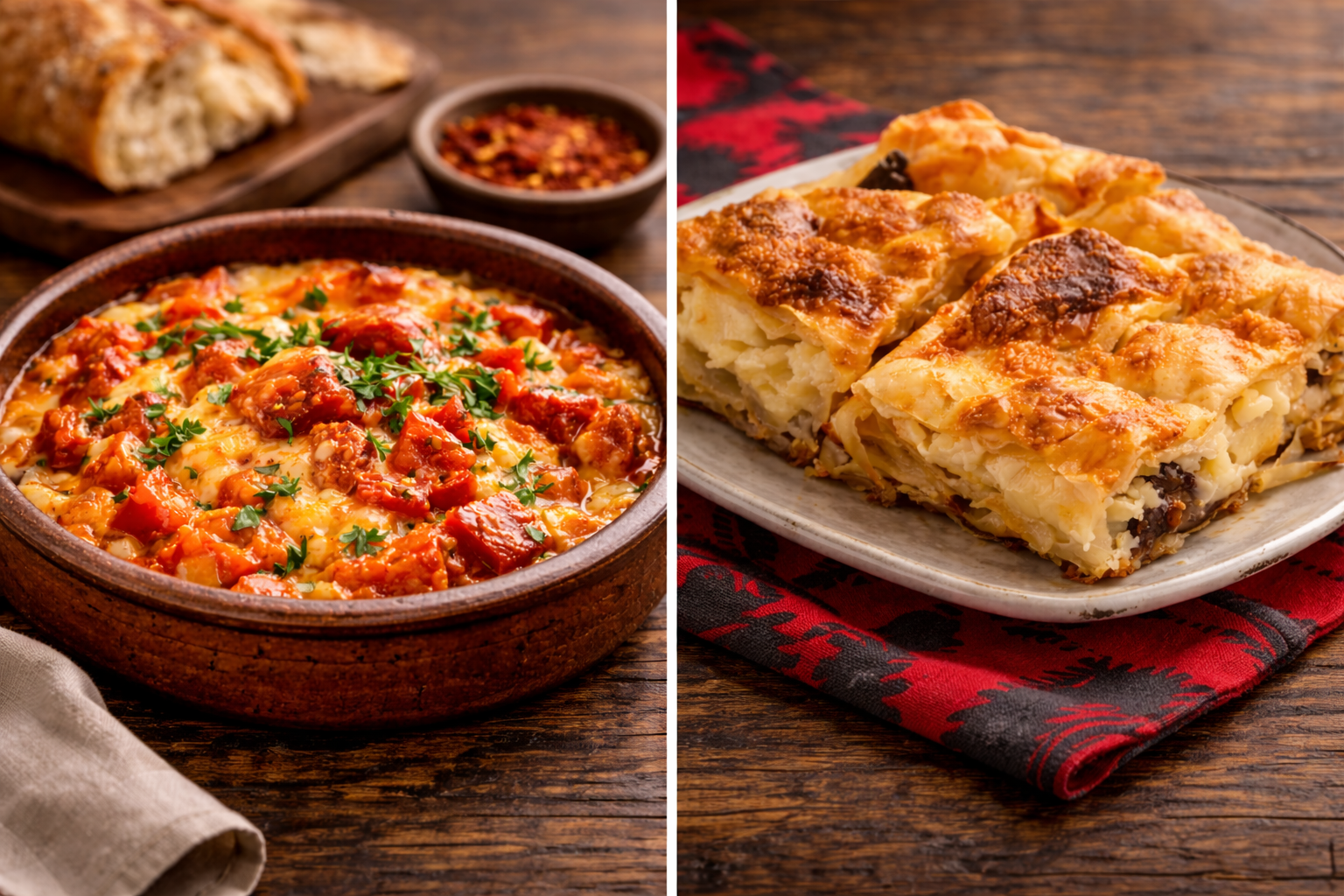
- Byrek – layered pastry filled with cheese, spinach, or meat
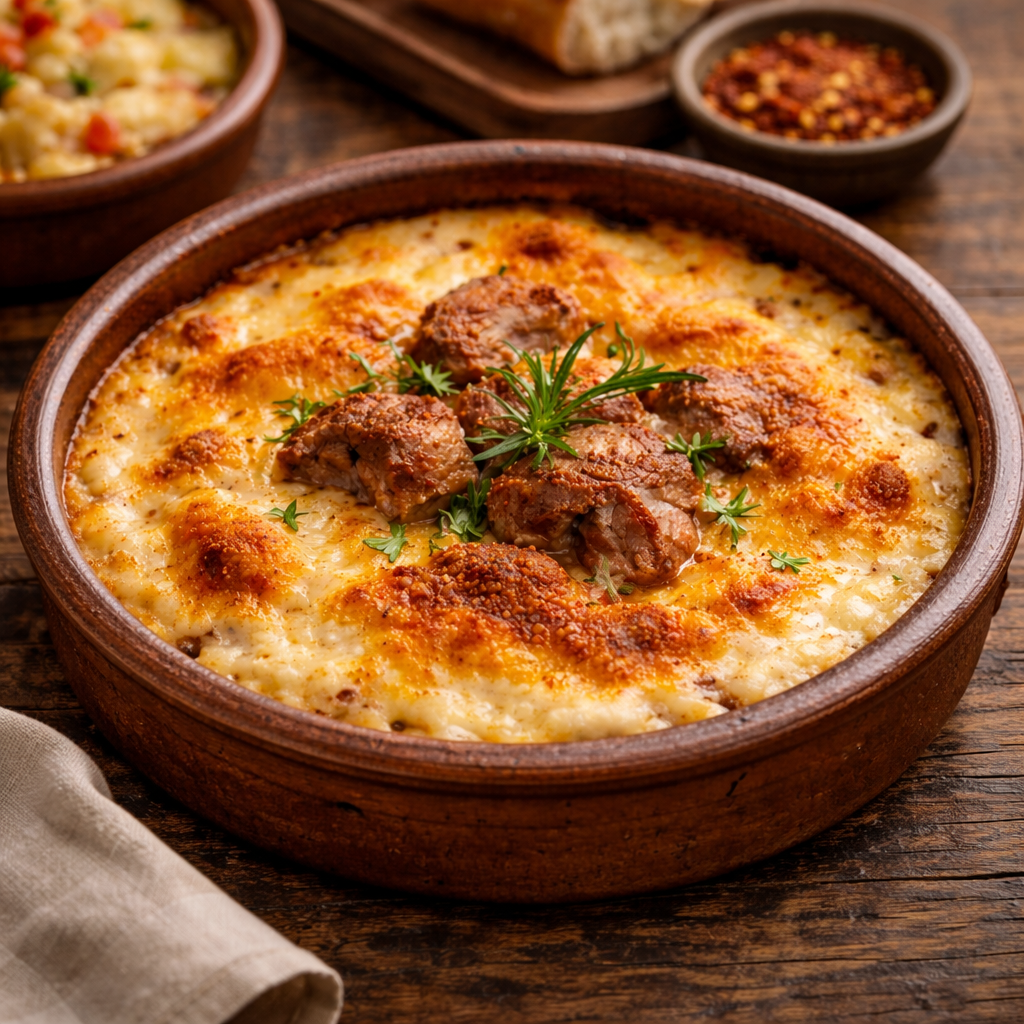
- Tavë kosi – baked lamb with yogurt and eggs
- Fërgesë – peppers, tomatoes, and cheese cooked together
- Fresh seafood along the coast
- Homemade bread served daily
Meals are social events. Large tables, shared plates, and homemade raki (a strong grape spirit) turn dinner into conversation and connection.
Seasonality matters. In rural areas, families grow vegetables, produce olive oil, and keep livestock. This connection to land continues to influence culinary traditions.
Traditions That Travel Across Borders
Millions of Albanians live outside Albania, especially in Italy, Greece, Germany, Switzerland, the UK, and the United States. Migration, whether voluntary or forced, shaped modern Albanian society.
Despite distance, albanian traditions travel with the diaspora: weddings remain elaborate, music stays loud, and family gatherings remain central. Cultural associations abroad preserve language and customs for younger generations.
Religion in Albania tends to be practiced with moderation. Interfaith marriages are common, and religious identity rarely divides communities. This balance stands out in a region historically marked by tension.
The Albanian Spirit Today
Today’s Albanian people are young, digitally connected, and increasingly global. Entrepreneurship, tourism, and cultural revival drive change. Albania seeks integration with the European Union while protecting its distinct voice.
Mountain villages coexist with startup hubs. Shepherd trails meet beach resorts. Ancient ruins stand near modern highways.
What defines Albanians is not a single narrative but continuity, the ability to adapt without losing core identity. Pride in heritage blends with openness to the world.
Why Understanding Albanians Matters
For travelers exploring Albania, for diaspora communities reconnecting with roots, or for anyone curious about Southeast Europe, learning about albanian history, albanian culture, and the albanian people provides context beyond stereotypes.
Albania is compact in size yet expansive in story. Its culture developed at the meeting point of empires, mountains, and seas. Its cities hold stone memories and modern ambitions. Its food carries flavors passed down through generations.
Albanians remain deeply attached to family, language, and homeland. That attachment explains their warmth, their resilience, and their unmistakable pride.
To ask “Who are Albanians?” is to explore centuries of endurance, creativity, and belonging — a people shaped by geography, history, and a powerful sense of who they are.