

Visit Gjirokastër
A hillside city built in stone, with views that feel cinematic
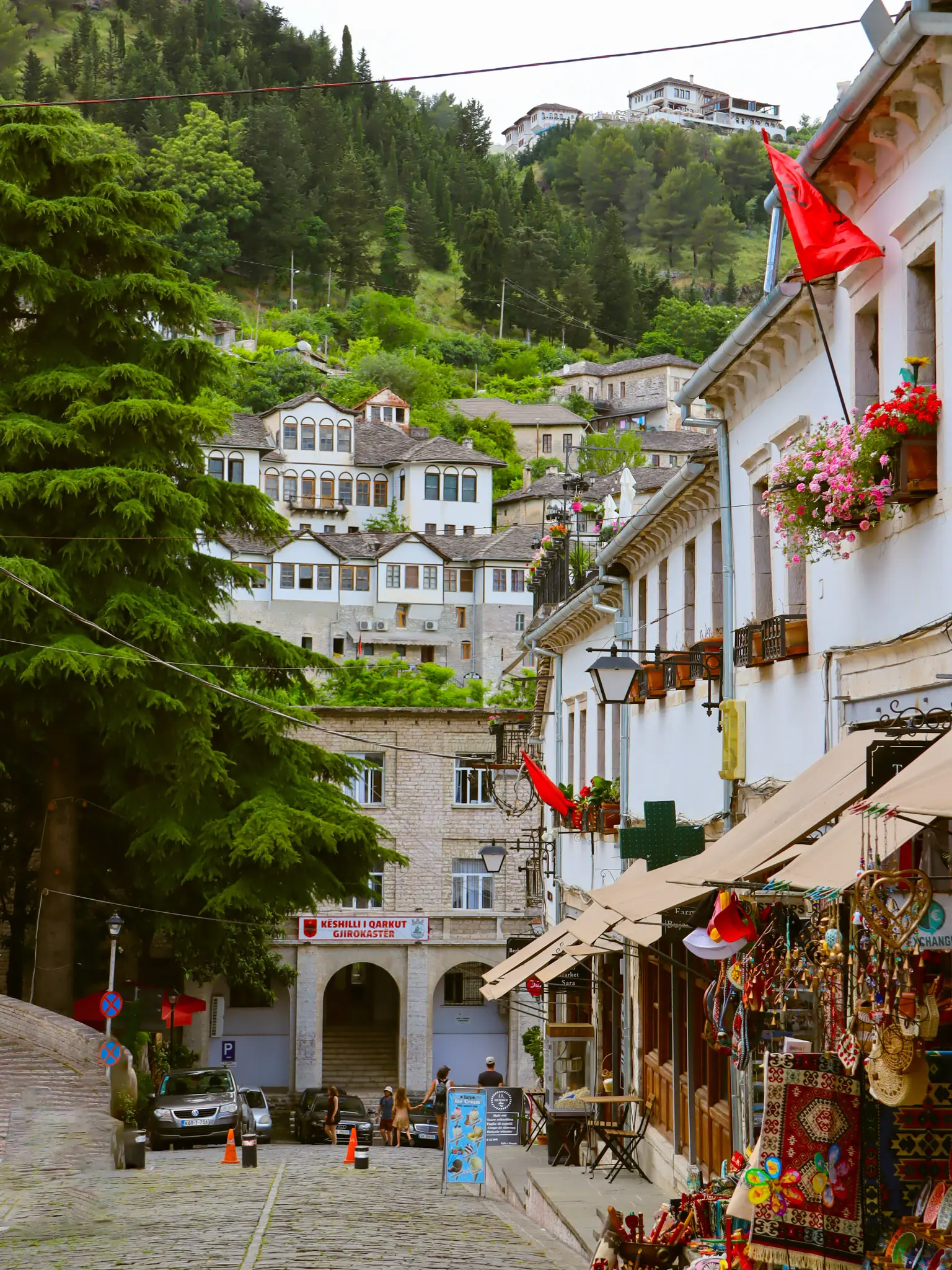
Gjirokastër feels like a place you step into, not just visit. The streets climb gently, the stone houses resemble small fortresses, and the city carries a calm, reflective energy that naturally slows us down.
Everything here invites patience — from the rhythm of daily life to the way light moves across the rooftops.
Why travelers connect with Gjirokastër
One of Albania’s most atmospheric cities
Strong sense of history and identity
Ideal for slow, thoughtful travel
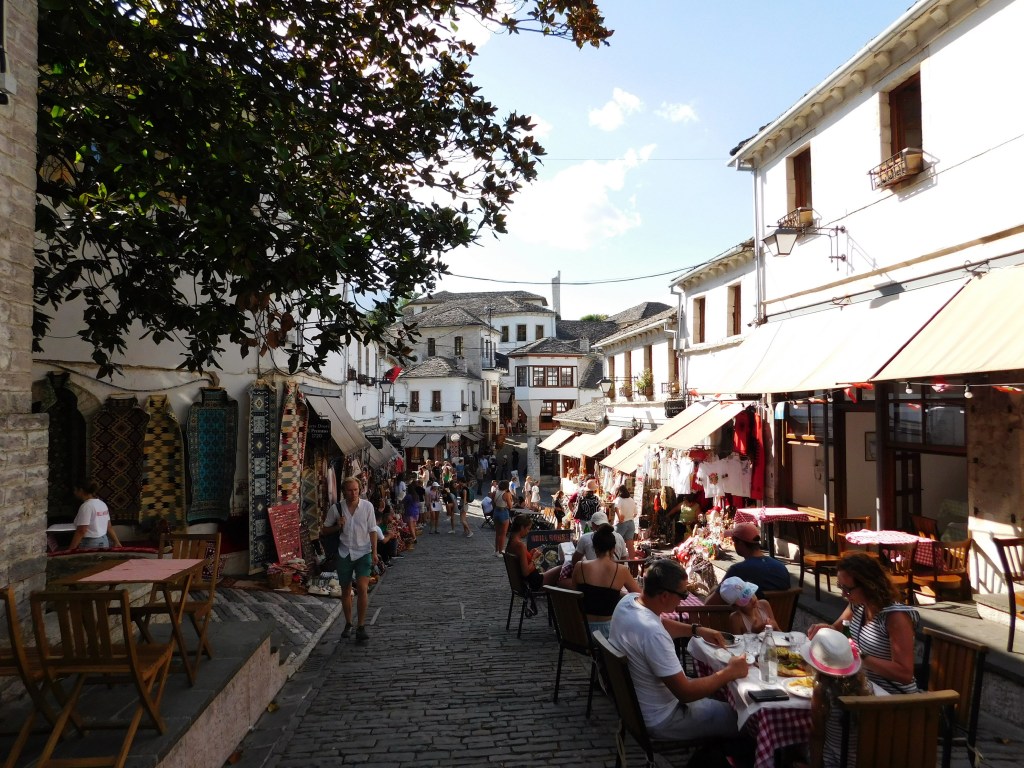
What Makes Gjirokastër Worth Exploring
Gjirokastër rewards travelers who enjoy walking, observing, and letting a place unfold slowly.
Some of the most rewarding things to do include:
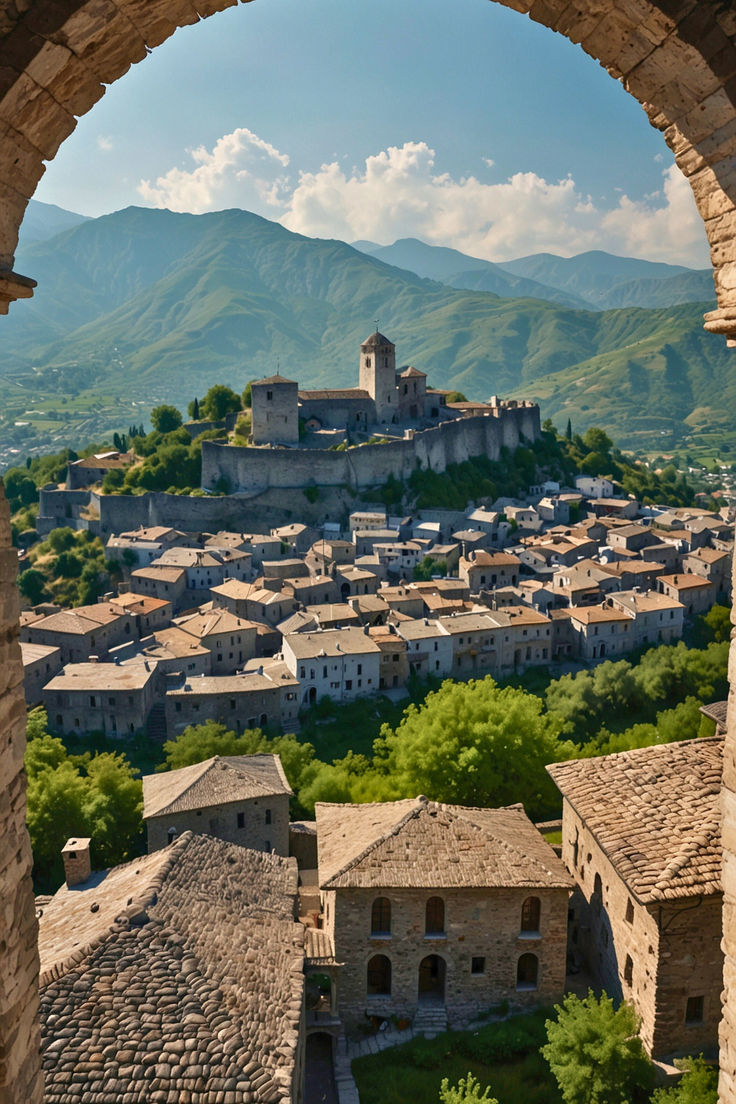
- Visiting Gjirokastër Castle for history, exhibitions, and wide valley views
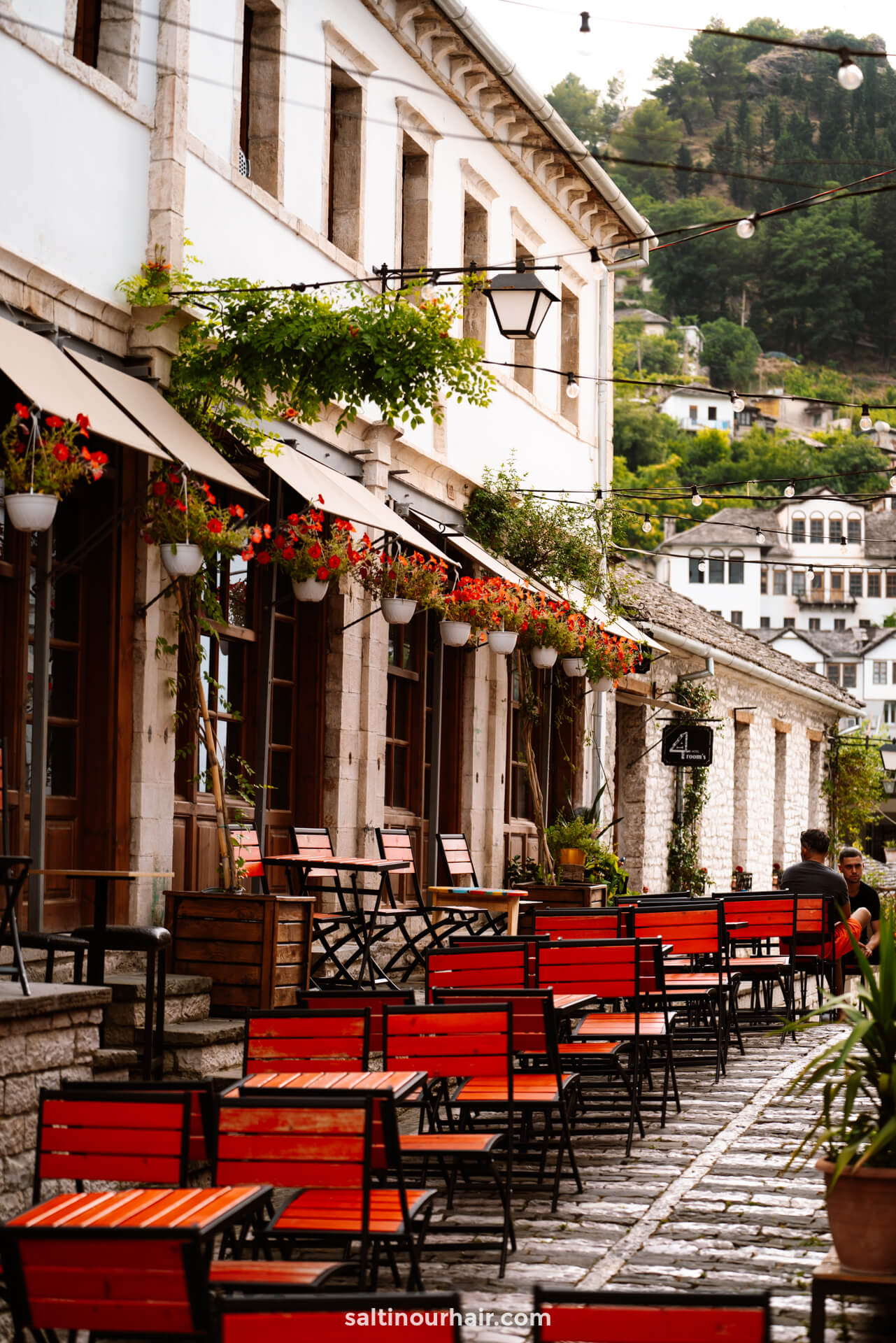
- Walking through the old bazaar, with its crafts, cafés, and stone-paved streets
- Exploring traditional Ottoman-era houses turned into cultural museums
- Enjoying local food, especially grilled dishes, pies, and homemade desserts
- Taking your time — this city is best experienced without rushing
Gjirokastër is not about ticking boxes. It’s about atmosphere, texture, and perspective.
What You’ll Find in Gjirokastër
To help set expectations, here’s a simple overview of what travelers usually find and what they typically organize themselves.
- Guesthouses and small hotels inside the historic area
- Local guides and walking experiences
- Traditional restaurants and café spots
- Cultural sites within easy walking distance
- Quiet evenings and a relaxed pace
Photo Gallery
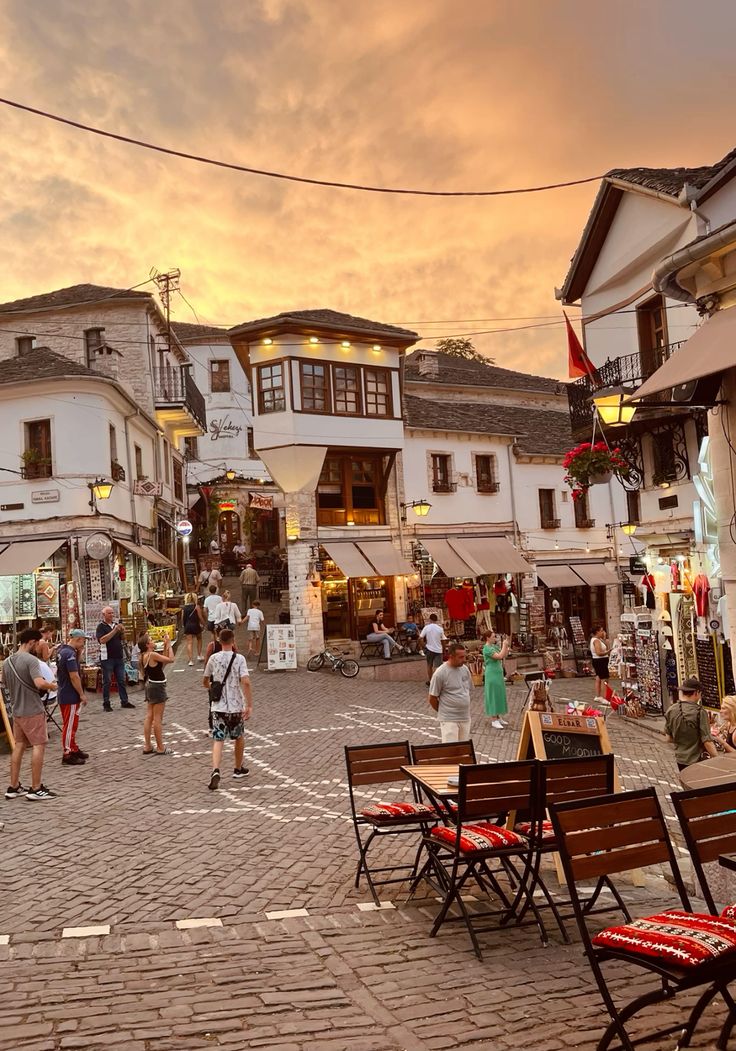
Great Places to Visit Around Gjirokastër
Gjirokastër’s location makes it easy to combine culture with short nature and countryside trips.
These nearby destinations add contrast to Gjirokastër’s stone-built calm.
Practical Local Insights - What to Know Before You Go
Gjirokastër is simple to visit, but a few details help make the experience smoother.
- Best time to visit: Spring and autumn offer the best walking weather.
- Getting around: The historic area is walkable, but streets are steep in places.
- Footwear: Comfortable shoes are important due to stone paths.
- Local rhythm: Days are quiet, evenings even more so.
- Staying overnight: Highly recommended to feel the city after day visitors leave.
Featured Destinations
Monthly Visitors
Years Supporting Local Tourism
Experience Gjirokastër Beyond the Highlights
We bring together trusted local stays, places, and experiences so we can explore calmly and confidently – without overplanning.
Why Travelers Use Our Platform
Local First
We focus on places rooted in the city and its culture.
Carefully Curated
No overload — only places worth your time.
Easy to Use
Clear structure that makes planning simple.
Supporting Local Communities
Every visit helps local businesses stay active and visible.
Frequently Asked Questions
Why is Gjirokastër known as the “stone city”?
Gjirokastër is famous for its stone-built houses, streets, and rooftops. The architecture gives the city a distinctive look and feel, especially when viewed from above or from the castle. Stone is not just a material here — it’s part of the city’s identity.
How many days should we spend in Gjirokastër?
One full day is enough to see the main highlights, but staying overnight is strongly recommended. The city becomes quieter and more atmospheric in the evening, which is when many visitors feel its true character.
Is Gjirokastër suitable for travelers who prefer a relaxed pace?
Yes. Gjirokastër is ideal for slow travel. It’s best enjoyed with unhurried walks, long meals, and time to explore small details rather than a packed schedule.
Is Gjirokastër difficult to walk around?
The city is walkable, but the historic streets are steep and paved with stone. Comfortable shoes make a big difference. Taking breaks is part of the experience here.
Can Gjirokastër be combined with coastal destinations?
Absolutely. Many travelers pair Gjirokastër with Sarandë, Ksamil, or other southern coastal spots. The contrast between mountain stone city and seaside life works very well.